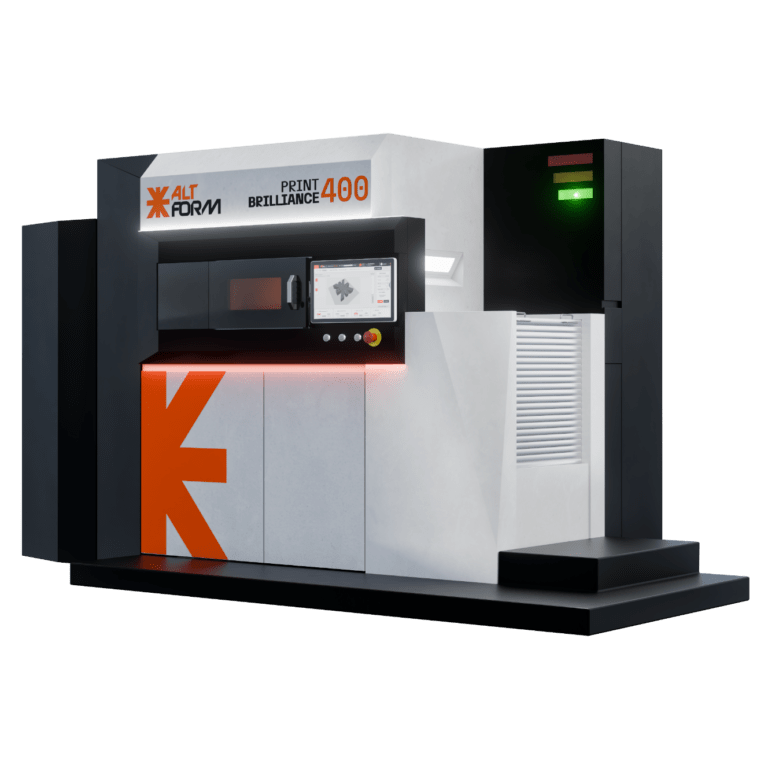
Marine environments place extreme demands on every component. Salt water, continuous vibration, mechanical loads, long maintenance intervals, and remote operations make reliability a crucial factor. Traditional manufacturing has supported the sector for decades, but it often faces long lead times, heavy components, and limited room for design optimization.
AltForm supports shipyards, naval architects, and marine system integrators with advanced Powder Bed Fusion, Direct Energy Deposition, and laser processes that help reduce weight, improve performance, and simplify the production and repair of mission-critical parts. Our goal is to offer solutions that fit real operational needs and deliver measurable advantages in efficiency and lifecycle cost.
On-demand spare parts and faster maintenance
Ships operate far from centralized supply chains, which makes the availability of spare parts a key factor in reducing downtime.
Additive manufacturing allows shipyards to produce functional parts directly from digital inventories, significantly reducing waiting times and minimizing logistical complexity. Brackets, housings, fixtures, and small functional parts can be produced with high dimensional accuracy, enabling faster and more flexible maintenance operations on board or in port.
Lighter components for better vessel performance
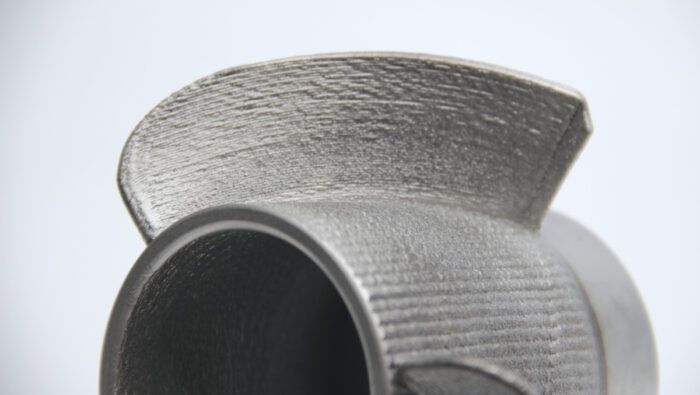
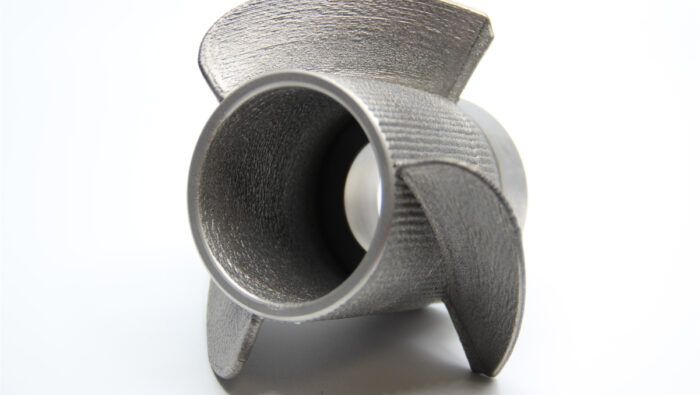
Weight reduction contributes directly to fuel efficiency, operational range, and emissions. With Powder Bed Fusion, engineers can redesign components using internal lattice structures or consolidated geometries that reduce mass while maintaining or improving mechanical strength.
This freedom makes it possible to rethink traditional metal parts and achieve a better balance between performance, payload, and stability.
Functional textures and marine-specific features
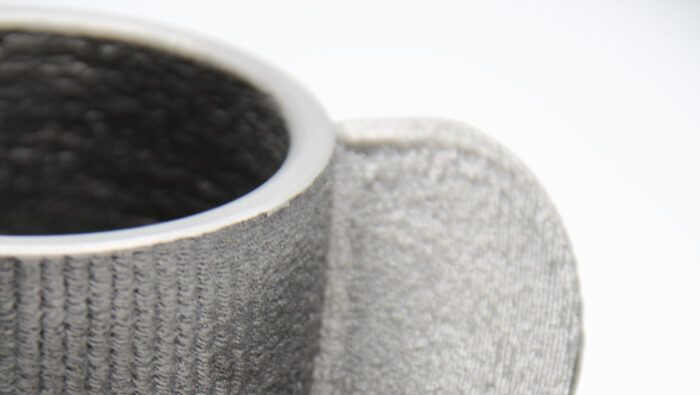
Humidity, water exposure, and constant handling create unique requirements for marine components. Additive manufacturing makes it simple to integrate textured surfaces that improve grip, enhance ergonomics, and channel water more effectively.
These features can be built directly into the part, avoiding additional machining and allowing designers to create components that are both practical and comfortable for the end user.
Repair and remanufacturing of propulsion and structural components with DED
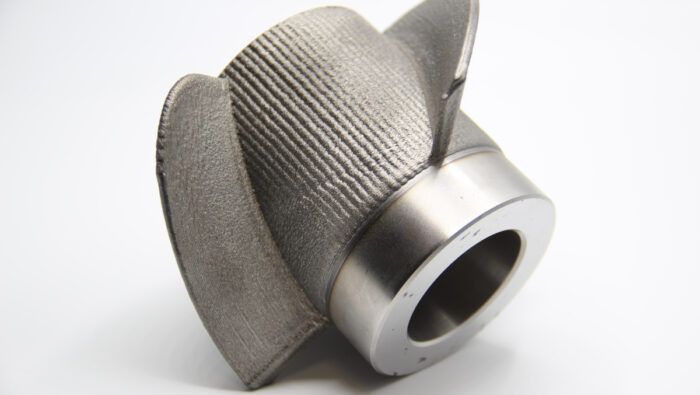
Marine propulsion systems, propellers, shafts, and structural mechanical components experience wear, corrosion, and occasional impact damage.
Direct Energy Deposition makes it possible to rebuild these parts locally by adding material exactly where it is needed.
Instead of replacing the entire component, shipyards can restore it to its original geometry, extend its lifecycle, and reduce the overall cost and lead time of maintenance.
This approach fully supports a circular economy model, where parts are rebuilt rather than replaced.
Building the future of shipbuilding
The marine industry is rapidly evolving toward more efficient, sustainable, and resilient fleets.
Additive manufacturing supports this evolution with technologies that make vessels lighter, components more efficient, and repair operations faster and more economical.
AltForm works alongside shipbuilders and marine operators to integrate digital manufacturing into real production environments, offering solutions that are robust, scalable, and suited to the demands of modern naval engineering.
Our solutions for the shipbuilding and marine industry
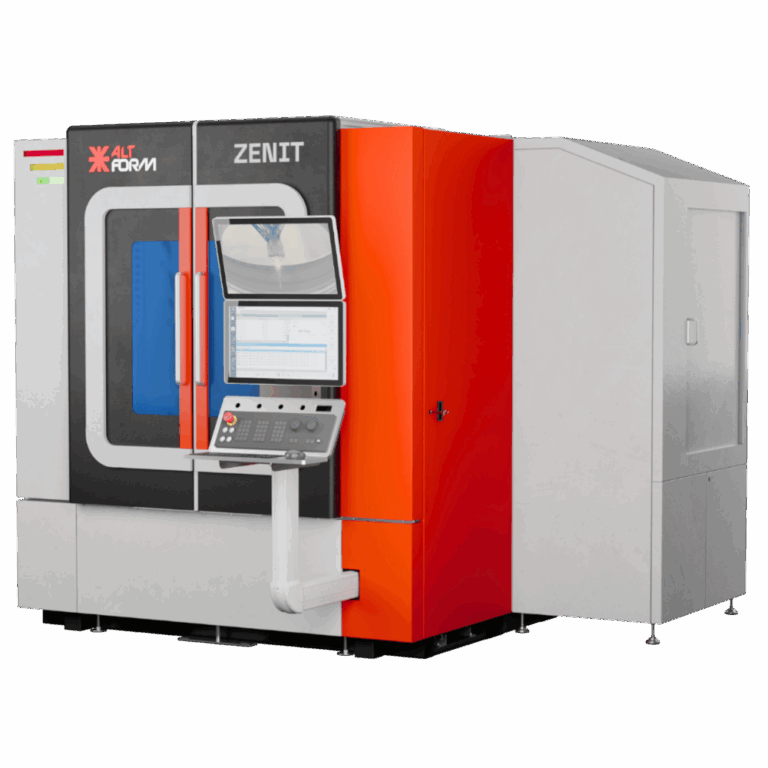
ZENIT Cell
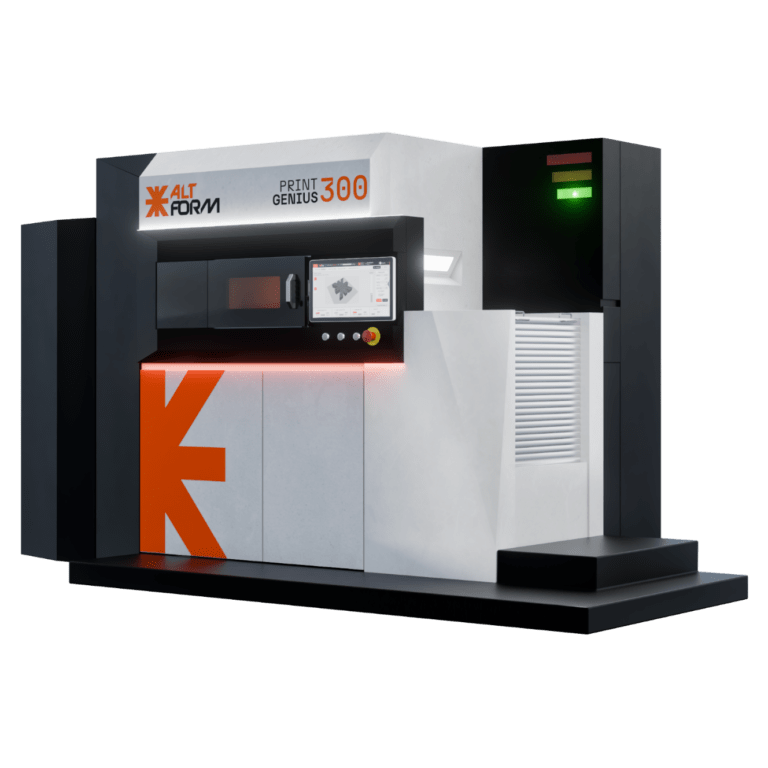
Print 300 Series
Print 400 Series