Turning advanced laser manufacturing into real industrial applications
Adopting metal additive manufacturing or other advanced laser processes can unlock new design possibilities, improve component performance, and increase manufacturing flexibility. However, transforming these opportunities into reliable production solutions requires a deep understanding of materials, process parameters and industrial constraints.
AltForm supports manufacturers in evaluating, developing, and validating applications based on Powder Bed Fusion, Direct Energy Deposition, and advanced laser-based processes. Our application engineering teams work alongside customers to translate ideas into manufacturable solutions, ensuring that new technologies integrate effectively within real production environments.
From early feasibility studies to process validation and prototype development, our objective is clear: turn advanced laser technologies into stable and scalable industrial applications.
Understanding the application before choosing the technology
Every additive manufacturing project begins with a fundamental question: does this component truly benefit from laser-based manufacturing?
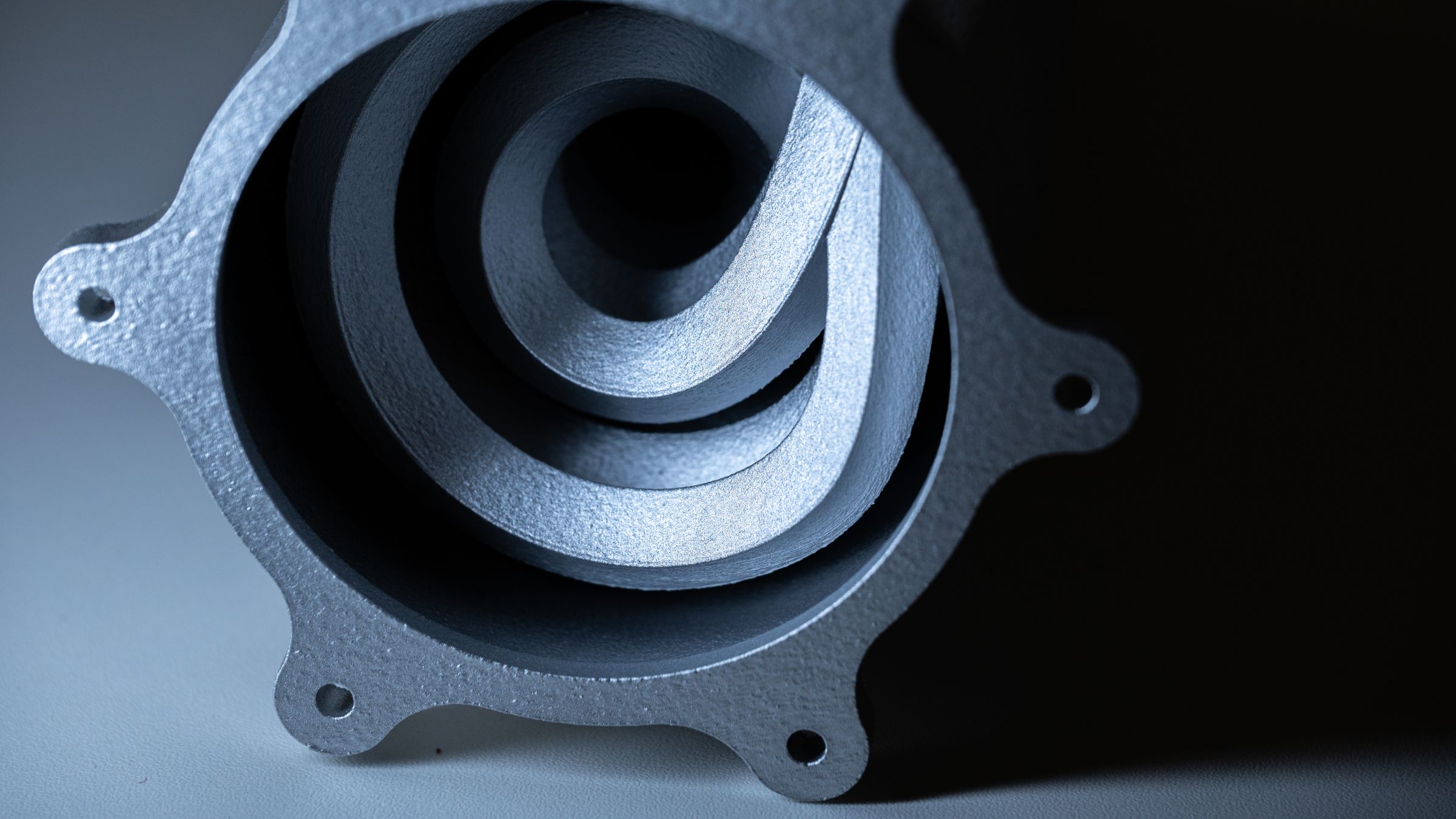
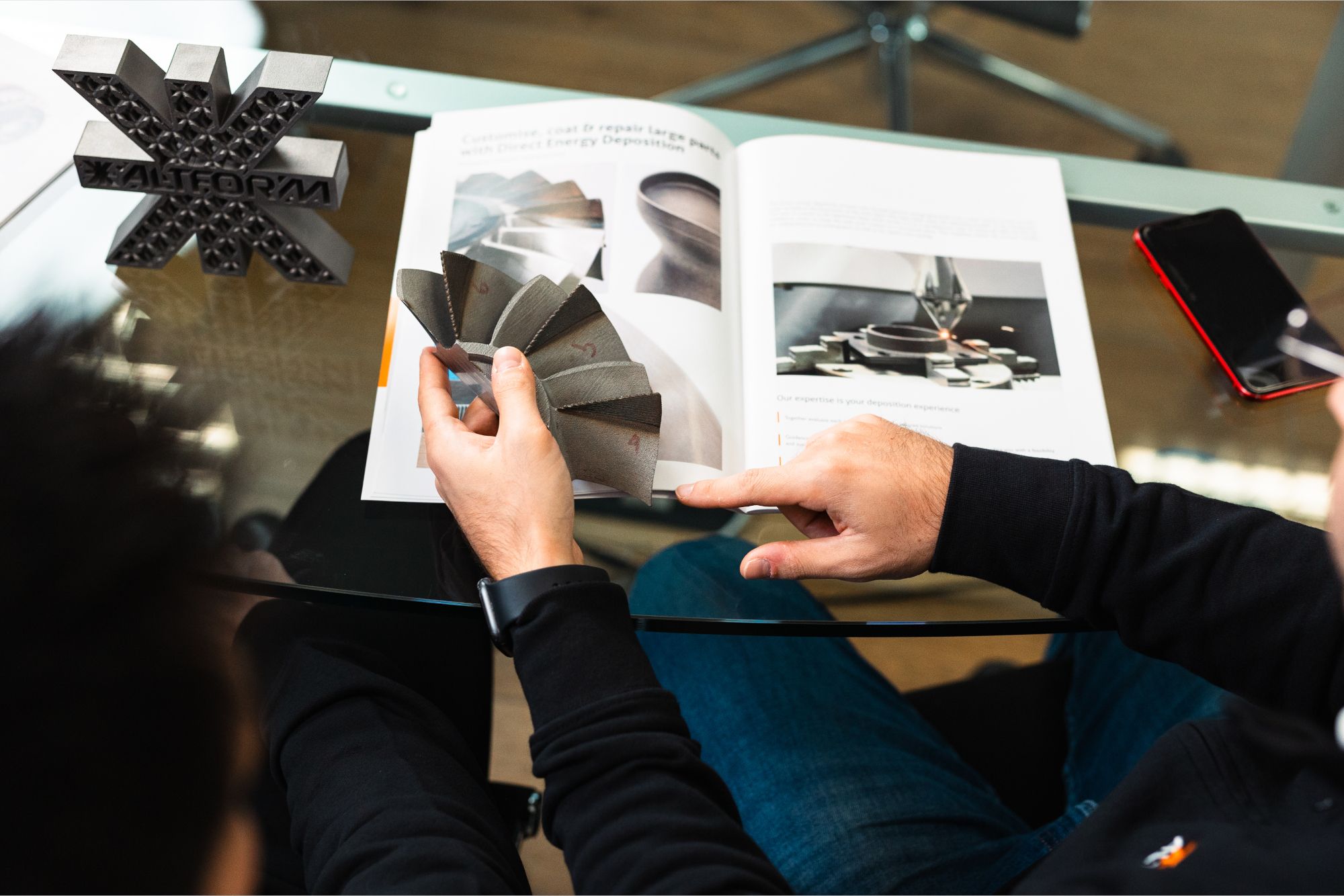
In many cases, additive manufacturing can enable lighter structures, internal channels, or part consolidation. In others, technologies such as Direct Energy Deposition may be more suitable for repair, coating or large component production.
AltForm application engineers work with customers to analyze each case from both a technical and industrial perspective. This includes evaluating geometry, material requirements, mechanical performance, production volume and cost targets.
Rather than approaching additive manufacturing as a universal solution, we focus on identifying where advanced laser technologies create real manufacturing value.
How AltForm supports you
Our application support services guide manufacturers through the entire development process, from feasibility analysis to validated production workflows.
Application feasibility and industrial evaluation
Every project starts with a detailed analysis of the component and the manufacturing objectives. Our teams assess whether technologies such as Powder Bed Fusion or Direct Energy Deposition are suitable for the application, considering geometry complexity, material behavior, and expected production volumes. This step also includes a first evaluation of economic impact, ensuring that the proposed solution aligns with long-term manufacturing strategies.
Process parameter development
Laser-based manufacturing requires precise control of parameters such as laser power, scanning strategy, layer thickness, and thermal management. AltForm engineers develop and optimize these parameters according to the selected material and component geometry. This work ensures that the final process delivers consistent density, mechanical performance, and repeatability.
Prototype development and validation
Once parameters are defined, prototypes are produced and evaluated. This phase allows engineers to validate dimensional accuracy, surface quality, and structural integrity before moving toward industrial production. Prototype validation also provides the data required to refine build strategies and ensure stable process behavior.
Process optimization for production
Moving from prototype to production requires additional engineering work. AltForm supports customers in optimizing build orientation, part nesting, post-processing strategies, and quality control procedures. This phase ensures that the application can be implemented within a reliable production workflow.
Business case and industrial implementation
Beyond technical feasibility, additive manufacturing must also demonstrate economic value. Our teams help customers evaluate production costs, potential productivity gains, and long-term operational benefits. This structured approach allows manufacturers to move forward with confidence, knowing that the application has been validated both technically and economically.
Related services
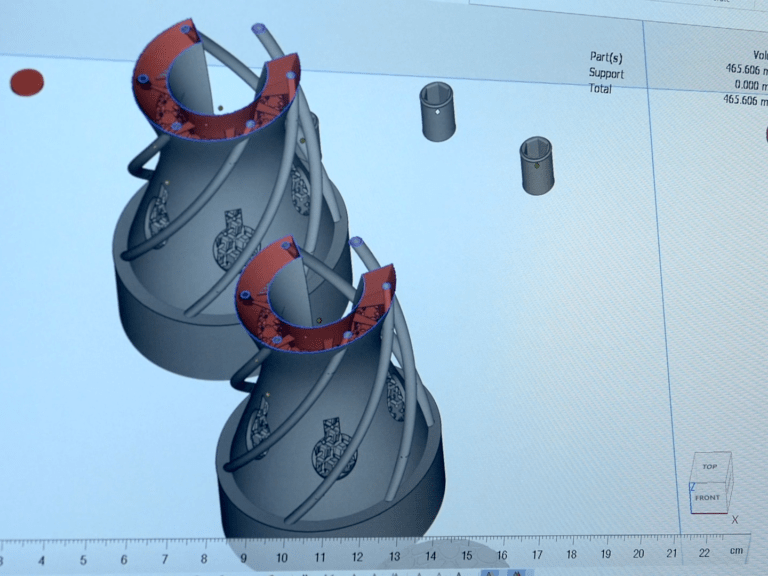
Design Support
Process Qualification and Certification
Investment and Financial Solutions