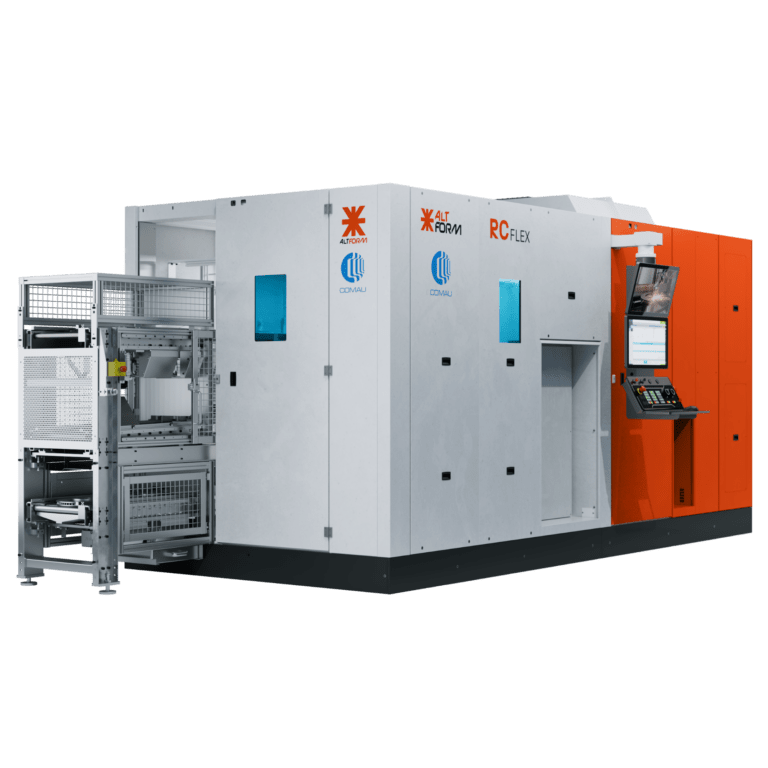
Industrial-scale metal deposition for production, repair, and coating.
Direct Energy Deposition (DED) is a metal additive manufacturing technology designed for the demands of heavy industry. AltForm’s DED systems are built to produce large metal components, restore worn or damaged parts, apply functional coatings, and integrate into automated production lines, with the familiarity of a traditional machine tool interface.
What is Direct Energy Deposition?
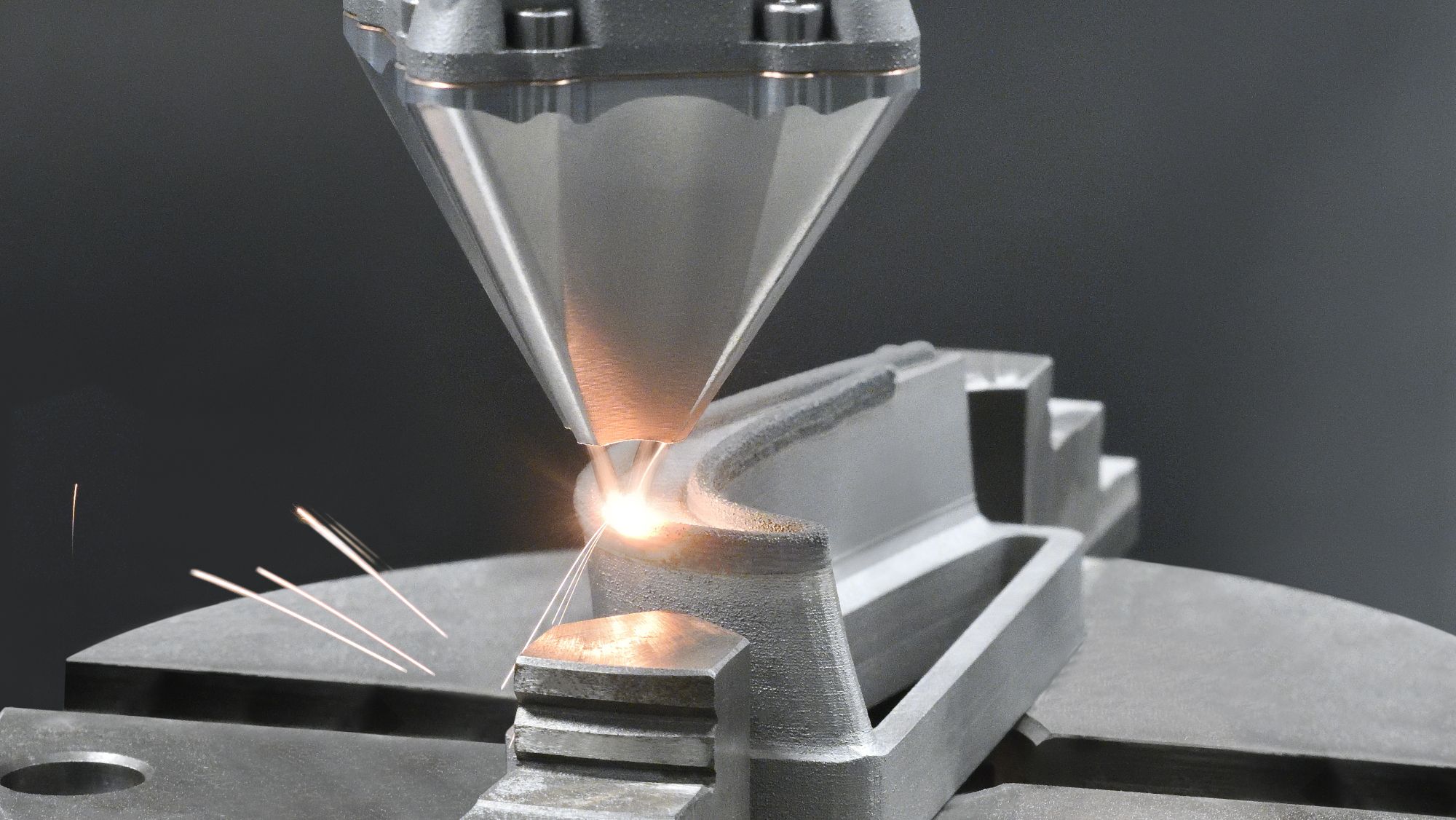
Direct Energy Deposition, also referred to as Directed Energy Deposition, is a metal additive manufacturing process in which a laser melts metal feedstock, either in powder or wire form, as it is deposited onto a substrate or existing component. The technology is also known as Laser Metal Deposition (LMD) when a laser is used as the energy source, and encompasses related processes such as laser cladding, laser engineered net shaping (LENS), and direct metal deposition (DMD).
Unlike Powder Bed Fusion, which operates within a fixed build volume, DED systems work with multi-axis robotic or CNC architectures that allow deposition on large surfaces, complex geometries, and existing parts. This makes DED the technology of choice for applications where scale, repair, and material efficiency are the primary requirements.
AltForm’s DED portfolio covers three distinct process variants:
Powder DED
Metal powder is fed through a deposition head and melted by a laser at the point of deposition. Powder DED, also known as Laser Metal Deposition (LMD) or laser cladding, offers high resolution and material flexibility, making it suited to complex geometries, multi-material deposition, and surface functionalization applications.
Wire DED
Metal wire is fed into the laser melt pool and deposited layer by layer. Wire DED offers higher deposition rates than powder-based processes and lower material waste, making it particularly efficient for large structural components where throughput and material cost are primary considerations.
WAAM – Wire Arc Additive Manufacturing
WAAM uses an electric arc as the energy source instead of a laser, combined with wire feedstock, to achieve very high deposition rates. It is the preferred process for large-format structural components where speed and material volume take priority over fine surface resolution.
What DED Makes Possible
Large-part manufacturing
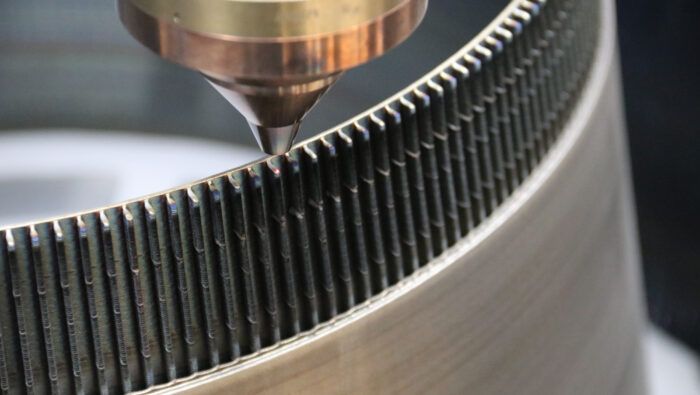
AltForm’s robotic DED systems can produce structural components at a scale that Powder Bed Fusion cannot reach, making it the technology of choice for aerospace structures, defense components, oil & gas parts, and large industrial tooling.
Repair of high-value components
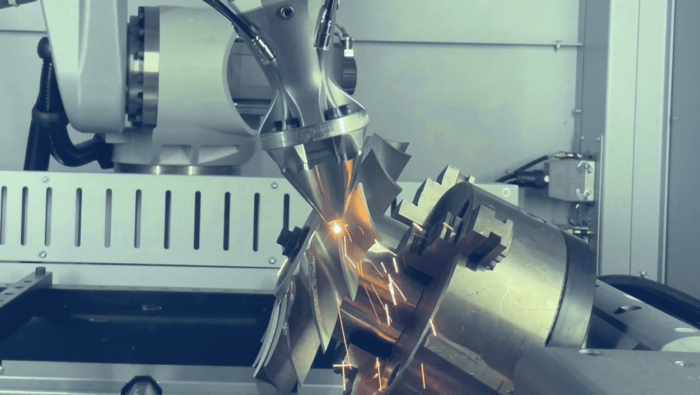
One of DED’s most strategically significant applications is the repair and restoration of worn, damaged, or out-of-tolerance components. Rather than replacing an expensive part, DED allows material to be added precisely where it is needed, restoring geometry and function at a fraction of the replacement cost. This is particularly valuable for turbine blades, moulds, dies, and critical mechanical components.
Metal coating and surface protection
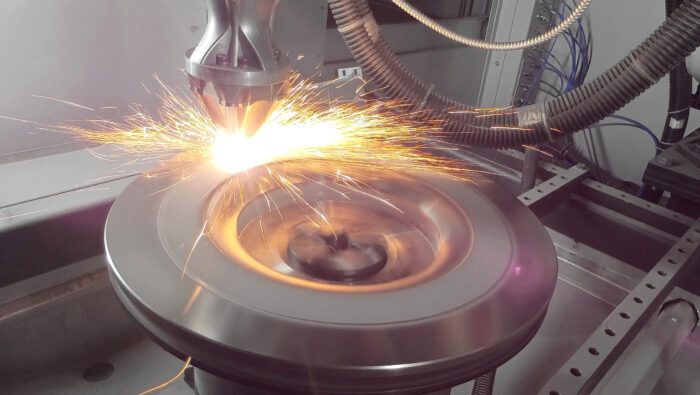
DED enables the deposition of protective or functional coatings onto metal substrates. Hard-facing, wear-resistant coatings, and corrosion protection layers can be applied with precision and metallurgical bonding quality that exceeds conventional thermal spray methods. Laser cladding, as a specific application of Powder DED, is widely used in the oil & gas and energy sectors for this purpose. AltForm’s RC Series takes this capability to full industrial automation, with dedicated lines for high-volume coating applications such as brake disc coating.
Surface functionalization
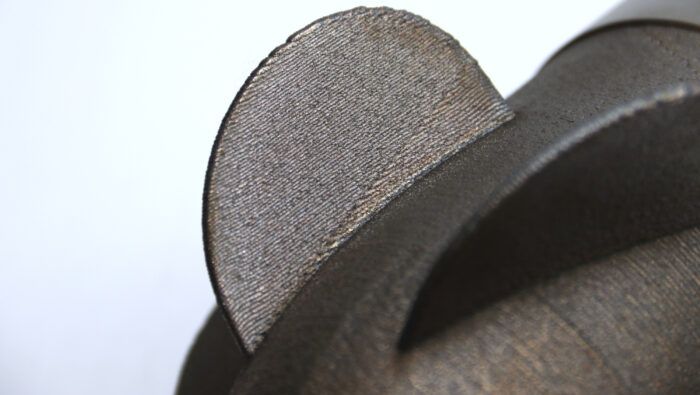
Beyond protection, DED can be used to add functional properties to component surfaces: improved thermal resistance, tribological performance, or electrical characteristics, through the selective deposition of different materials onto a base substrate.
AltForm DED Systems: Key Advantages
Inert chamber option
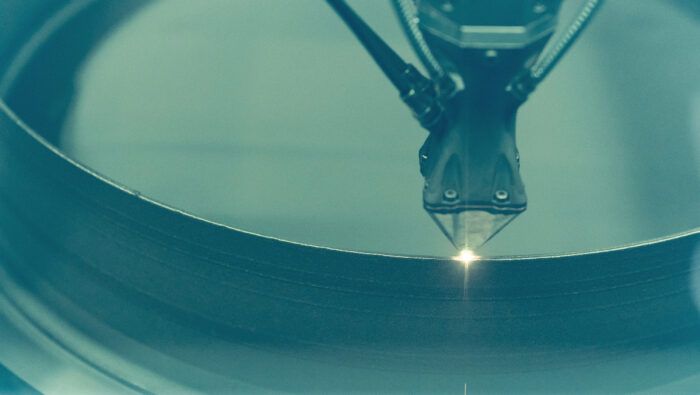
For materials that are sensitive to oxidation during deposition, such as titanium, aluminum, reactive alloys, and certain nickel superalloys, AltForm DED systems are available with an inert chamber configuration. This ensures process integrity and final part quality for the most demanding aerospace, medical, and defence applications.
Industrial automation integration
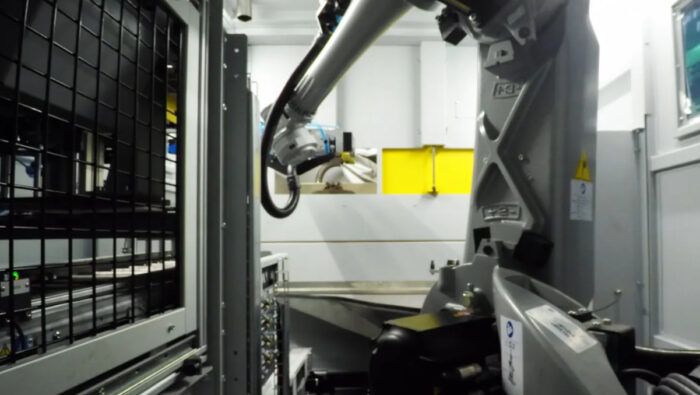
AltForm’s DED platforms are designed from the ground up for automation. Robotic architectures, multi-axis positioning, and integration with automated handling and production line systems make it possible to move DED from a standalone machine to an embedded production cell. The RC Series is the most advanced expression of this capability, with fully automated coating lines already running in series production at Tier 1 automotive suppliers.
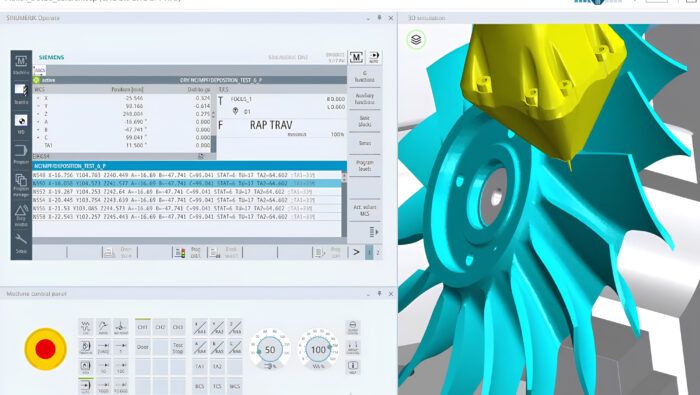
Siemens machine tool interface
AltForm DED systems are operated through a Siemens CNC interface, the same control environment used in conventional machine tools. This is a deliberate design choice: it reduces the learning curve for operators already familiar with CNC machining environments, simplifies integration into existing production workflows, and positions DED as a natural extension of the machine tool ecosystem rather than a separate specialist technology requiring dedicated expertise.
AltForm DED Systems
Explore our full range of Direct Energy Deposition systems, from modular robotic cells for multi-process applications to fully automated industrial coating lines designed for serial production.
ZENIT Cell
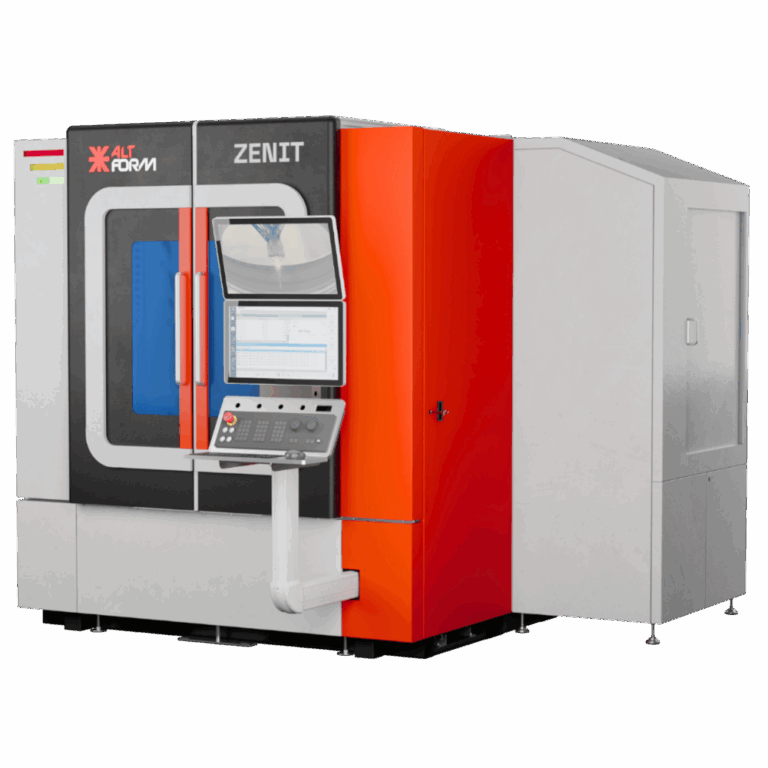
Rapid Coating Cell