In aerospace manufacturing, performance is measured in grams, microns, and thermal stability. Every structural decision influences fuel efficiency, lifecycle cost, and operational reliability. Manufacturing technologies must therefore combine geometric flexibility, metallurgical control, and industrial scalability.
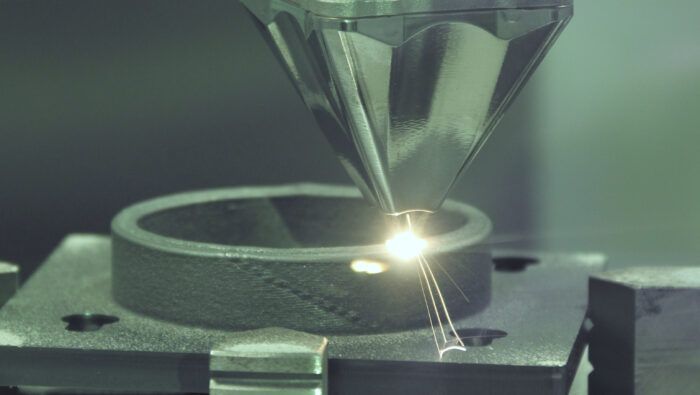
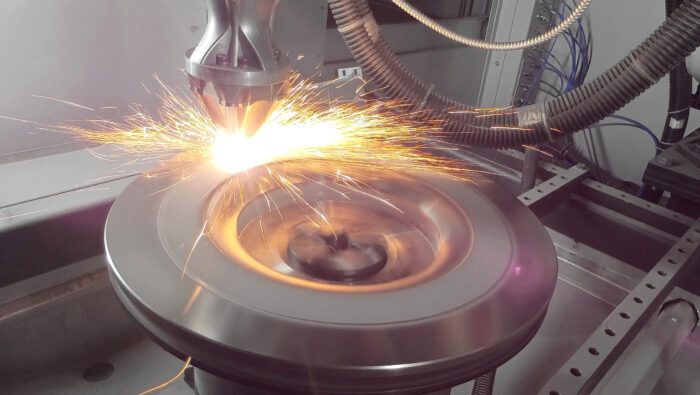
Direct Energy Deposition technology, implemented through AltForm’s ZENIT multi-process robotic cell, enables aerospace manufacturers to build, repair, and functionalize large metal components with precision and repeatability. This is not a laboratory solution. It is a production-ready platform already adopted by leading aerospace players.
Our approach is rooted in decades of experience in advanced laser technologies, allowing us to integrate and optimize laser sources according to material behavior and application requirements.
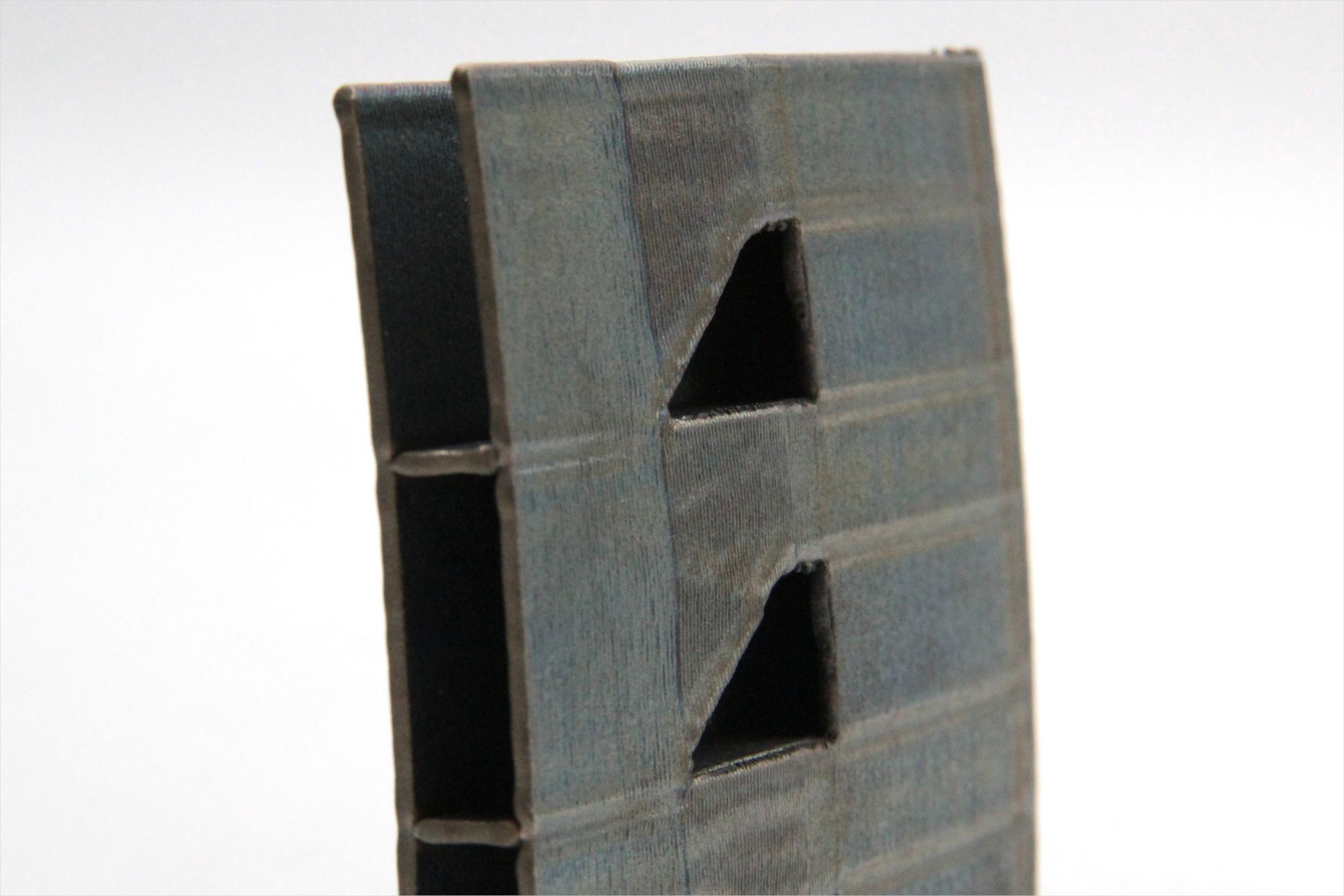
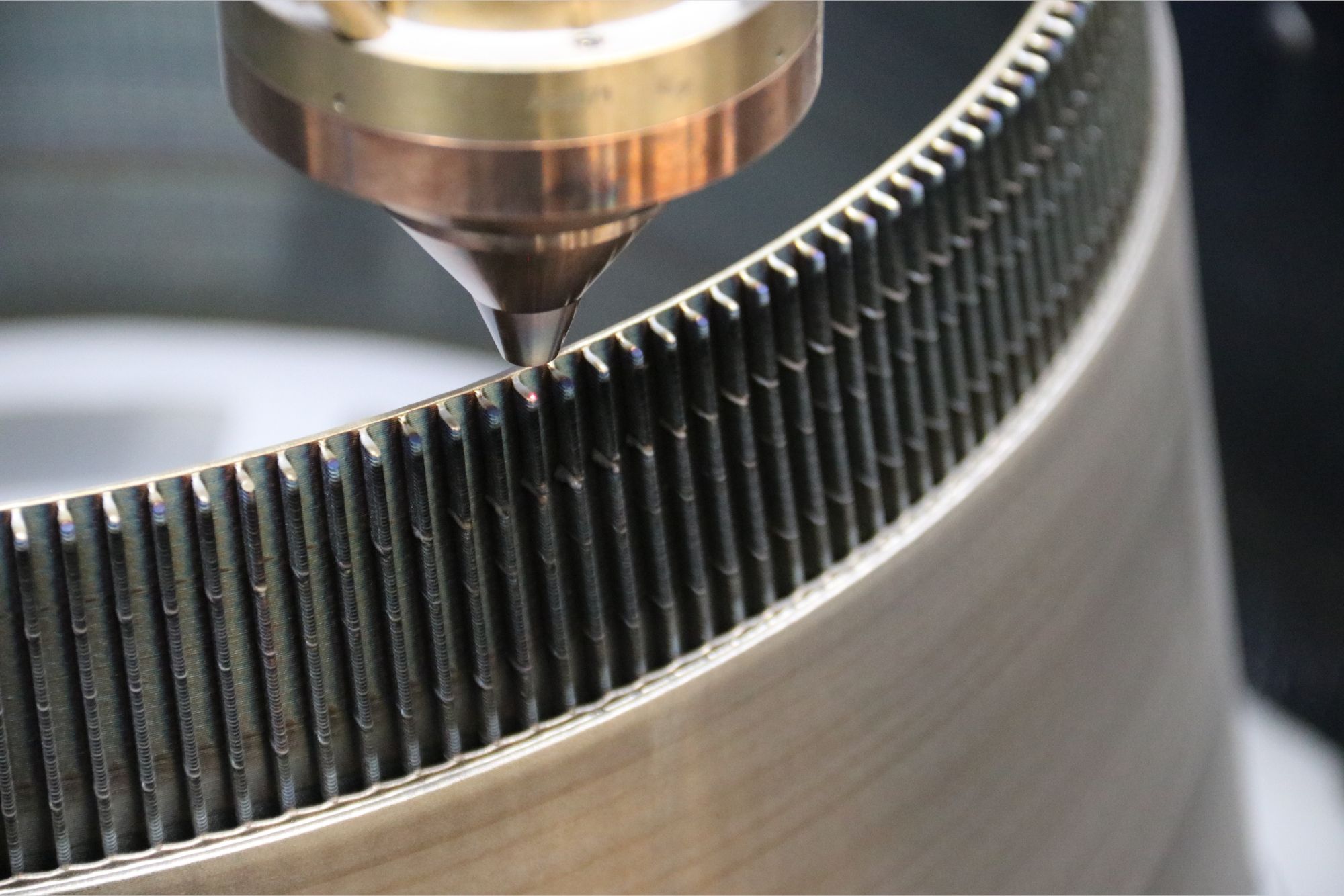
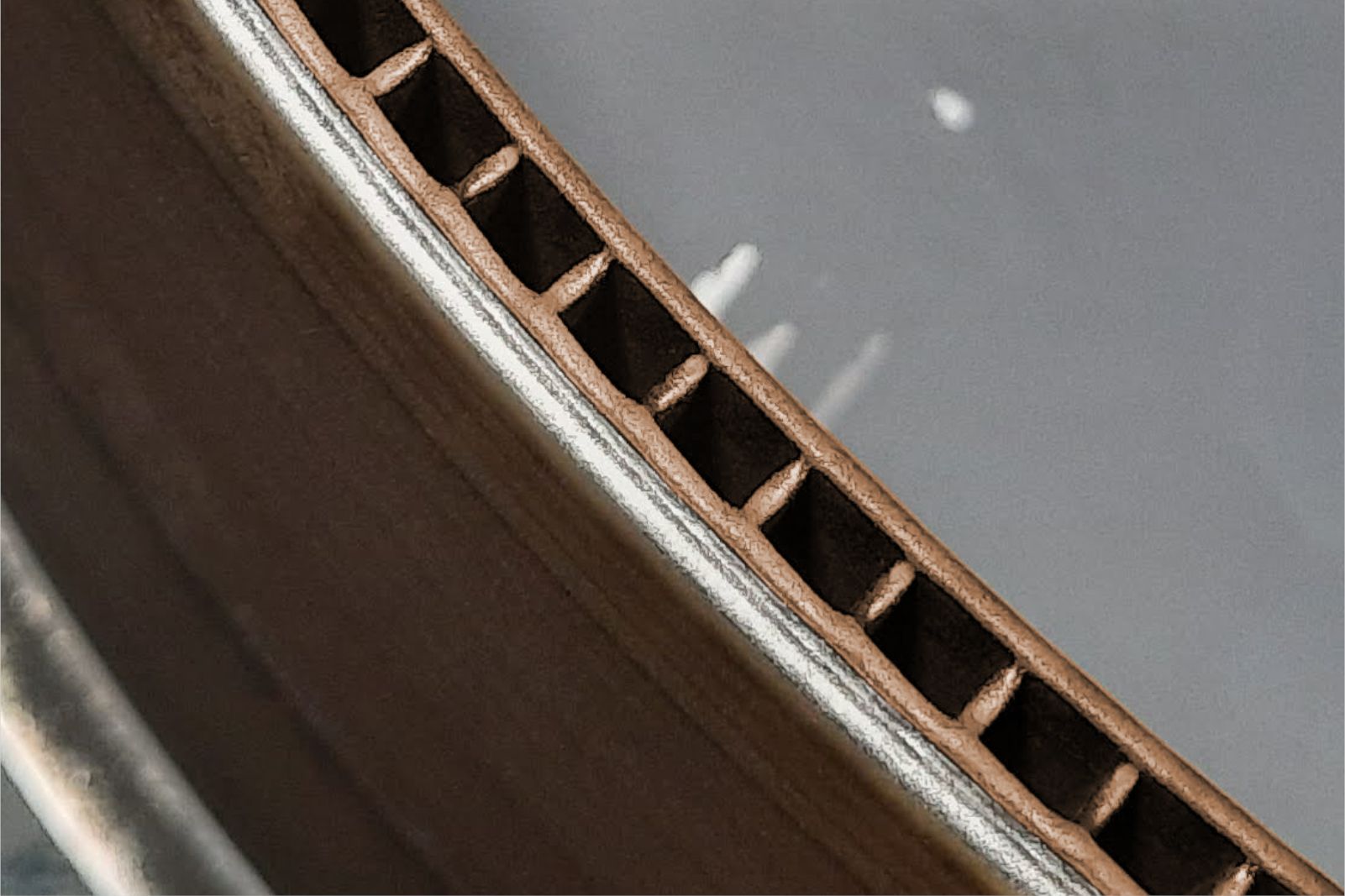
Thin-walled aerospace structures with controlled deposition
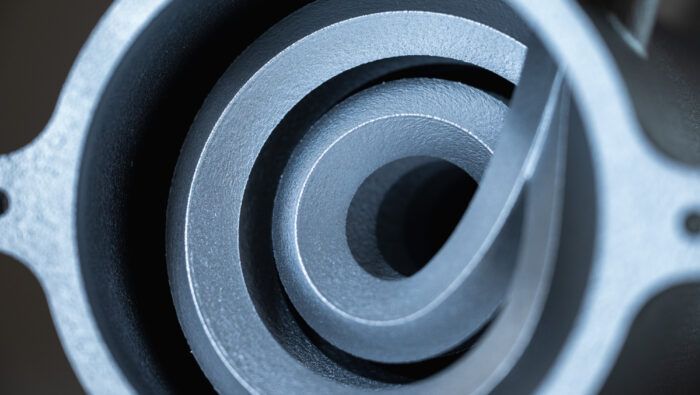
Weight reduction remains a central objective in aerospace engineering. Thin-walled titanium and aluminum structures are widely used to reduce mass while maintaining strength.
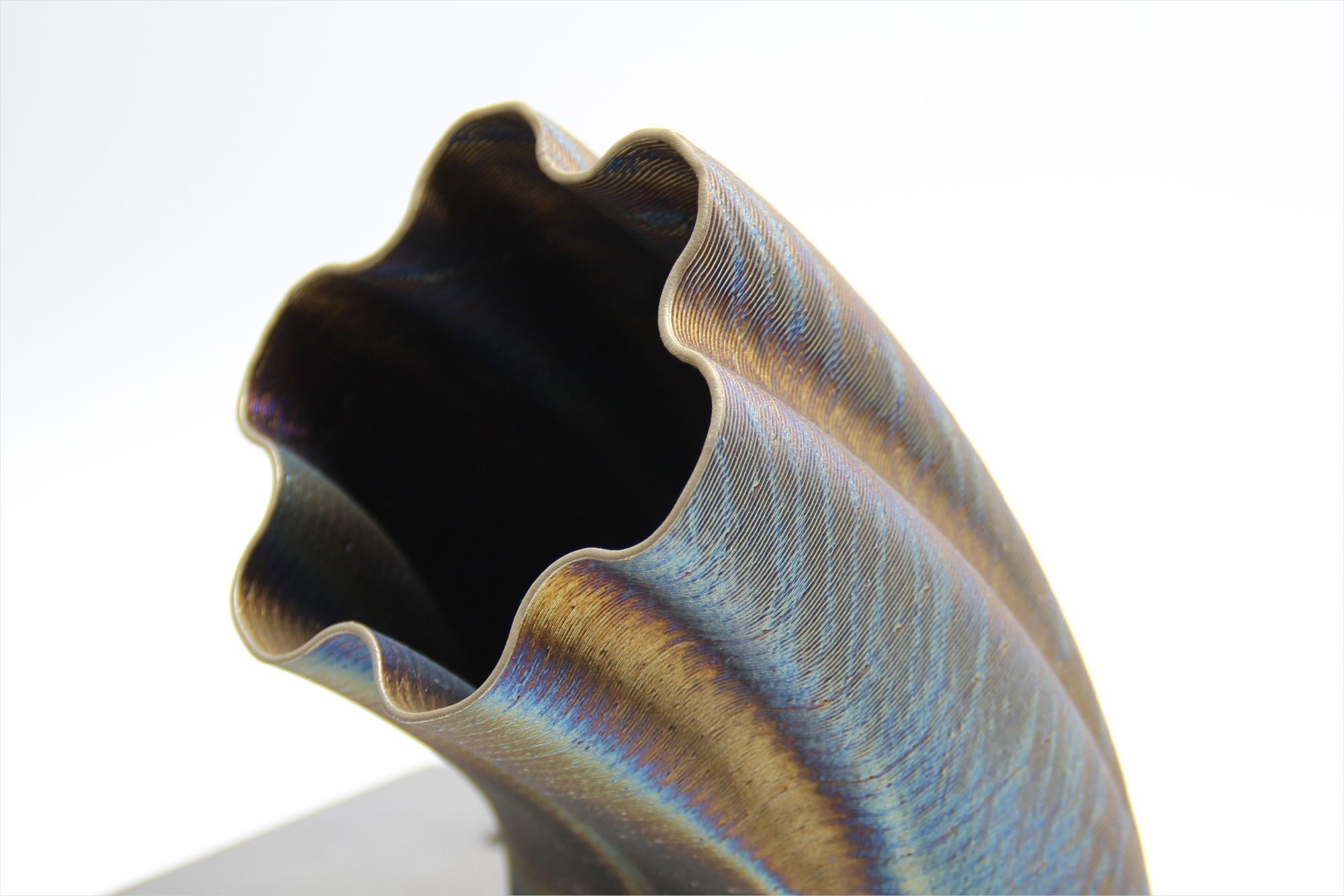
With ZENIT Direct Energy Deposition, it is possible to manufacture walls down to 1 mm thickness, maintaining structural continuity and dimensional control. Achieving this requires precise melt pool management, stable energy input, and optimized deposition strategy. The laser spot geometry and parameter control are engineered to support these demanding applications.
This capability is particularly relevant for structural brackets, frames, housings, and aerospace ducting systems, where lightweight architecture directly impacts performance.
Multi-process flexibility within one system
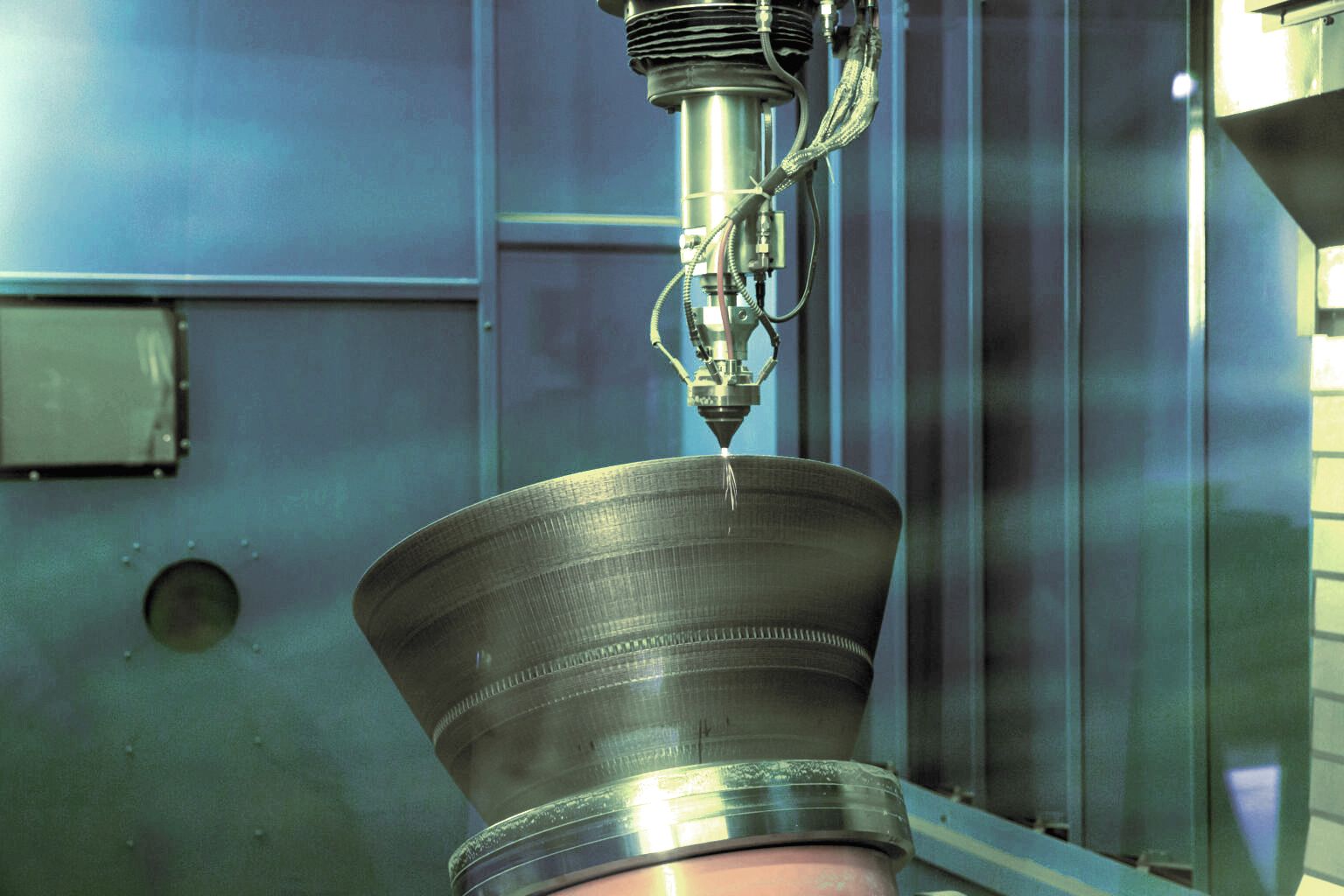
Aerospace production often requires different deposition strategies depending on the material and geometry involved. The ZENIT cell supports powder DED, wire DED, or both within the same platform, with automatic switching between deposition heads similar to a tool change in conventional machine tools.
Wire deposition offers high material efficiency and stable feeding, which is valuable for structural builds. Powder deposition enables localized alloying and flexible material strategies. Integrating both in one system allows manufacturers to adapt to different aerospace programs without changing platforms.
This multi-process configuration supports both prototype validation and serial production within the same industrial architecture.
Dual laser capability: infrared and blue in the same system
Certain aerospace components require multi-material strategies. For example, nickel-based superalloys such as Inconel are widely used for high-temperature resistance, while copper alloys are essential for thermal management in aerospace systems.
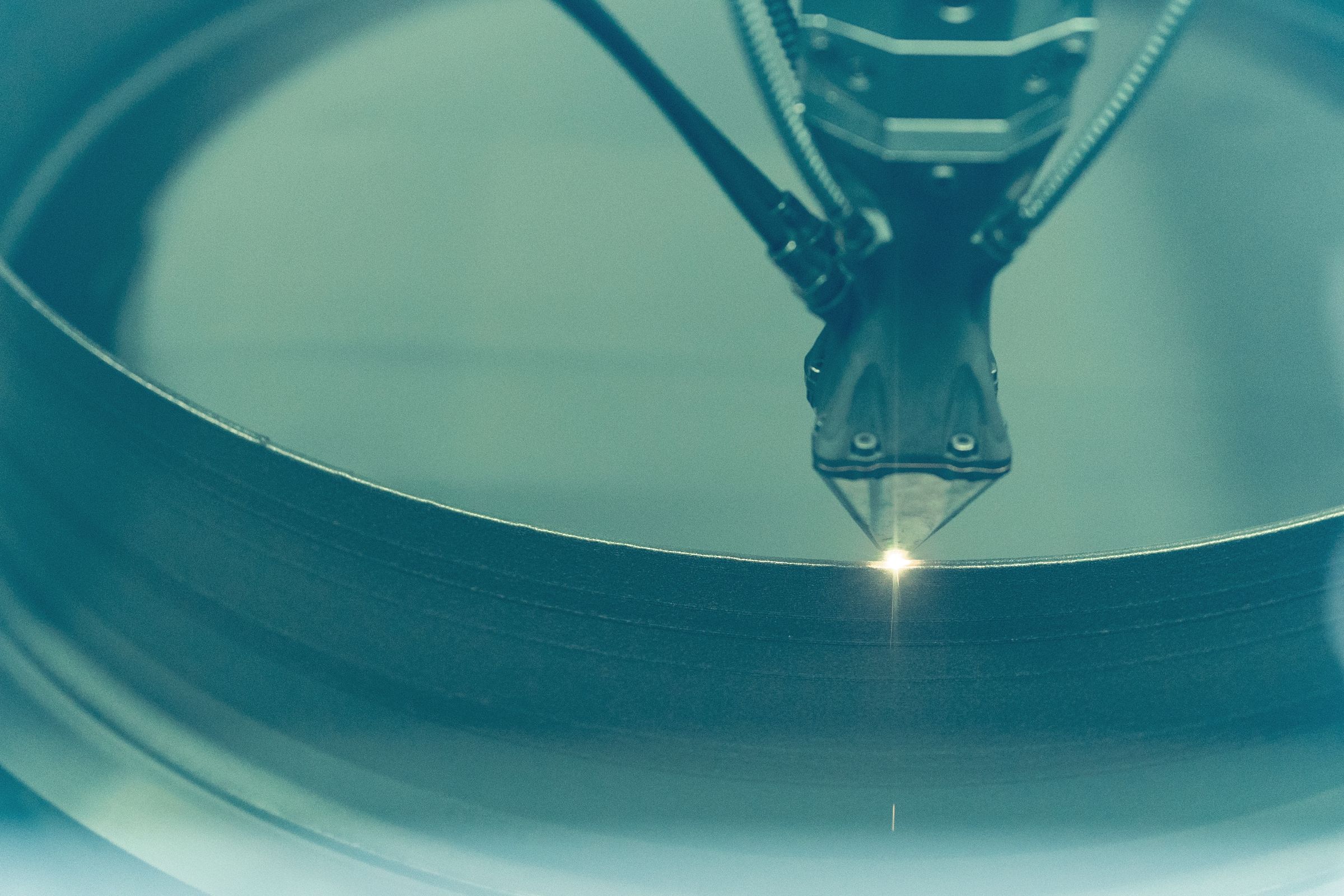
AltForm offers the possibility to integrate two different laser sources within the same ZENIT system: an infrared laser and a blue laser. This enables optimized processing of different materials on the same component.
The blue laser, with its shorter wavelength, provides significantly higher absorption when processing highly reflective materials such as copper. Traditional infrared lasers struggle with reflectivity and energy coupling in copper alloys. The blue laser improves melt pool stability, reduces spatter, and enhances process consistency when working with these materials.
This dual-laser configuration allows aerospace manufacturers to combine Inconel and copper on the same structure, optimizing both structural integrity and thermal performance.
Inert chamber configuration for reactive aerospace alloys
Titanium alloys and advanced aluminum alloys are fundamental in aerospace applications due to their strength-to-weight ratio and corrosion resistance. However, they are highly reactive at elevated temperatures.
ZENIT can be configured with a fully inert chamber, ensuring controlled atmospheric conditions during deposition. Our patented gas flow system accelerates the inertization process while maintaining a compact footprint. This solution is particularly important when building large titanium components from scratch, where oxygen contamination must be minimized to preserve mechanical properties and certification compliance.
The inert chamber configuration supports consistent metallurgy across large builds, enabling aerospace-grade material integrity.
Repair, refurbishment and lifecycle extension
Aerospace components are high-value assets. When localized wear or damage occurs, replacing the entire part is often inefficient.
Direct Energy Deposition enables targeted repair and refurbishment, restoring dimensional accuracy and extending component life. In several cases, repaired aerospace components have demonstrated improved performance compared to original specifications, thanks to the ability to deposit enhanced alloys in critical zones.
This capability supports sustainability goals while maintaining structural performance.
Industrial monitoring and process stability
Aerospace certification requires process traceability and repeatability. ZENIT integrates monitoring systems that supervise thermal behavior, laser stability and deposition consistency. This supports controlled manufacturing environments aligned with aerospace qualification workflows.
Process control is fundamental when manufacturing thin walls or multi-material aerospace components, where minor deviations can affect performance.
From development to industrial deployment
Aerospace programs evolve from prototype validation to certified production. The challenge lies in scaling while maintaining material integrity and dimensional control.
ZENIT is designed for industrial integration, including robotic automation and production cell configuration. Whether the objective is structural titanium components, nickel-based superalloys, or copper-integrated thermal systems, Direct Energy Deposition offers a scalable manufacturing path aligned with aerospace requirements.