In modern manufacturing, tooling often determines production speed, part quality, and overall cost efficiency. Conventional tooling methods such as machining and casting remain effective, but they impose geometric constraints and long lead times that limit design flexibility. When product lifecycles shorten and customization increases, these limitations become critical.
Additive manufacturing for tooling introduces a different approach. By building metal components layer by layer from digital models, it enables the creation of geometries that directly improve tool performance rather than simply replicate traditional designs.
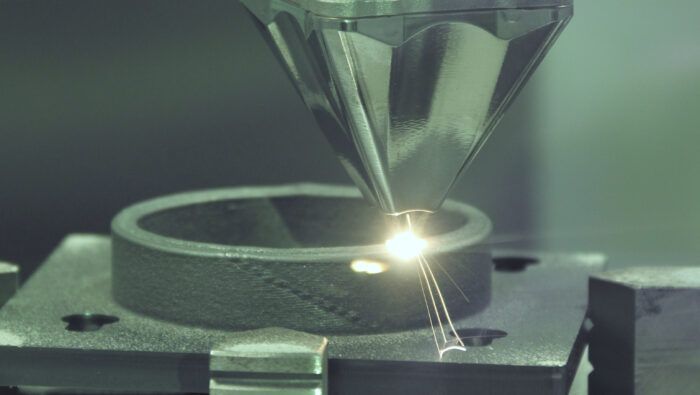
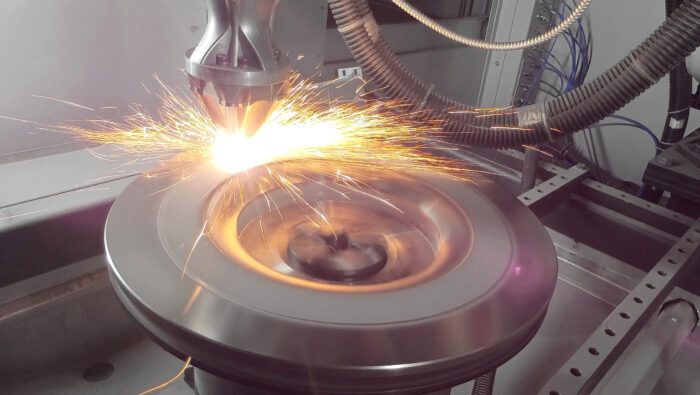
At AltForm, we support industrial tooling applications through advanced Powder Bed Fusion systems configurable with one, two or four lasers, as well as through Direct Energy Deposition on the ZENIT platform for large-scale tools, repair, and functional enhancements. Our experience in advanced laser technologies allows us to integrate and optimize laser configurations according to the specific thermal and mechanical demands of tooling applications.
Conformal cooling and cycle time reduction
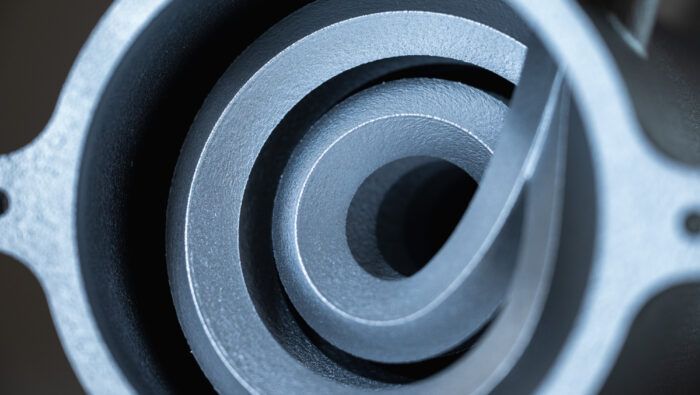
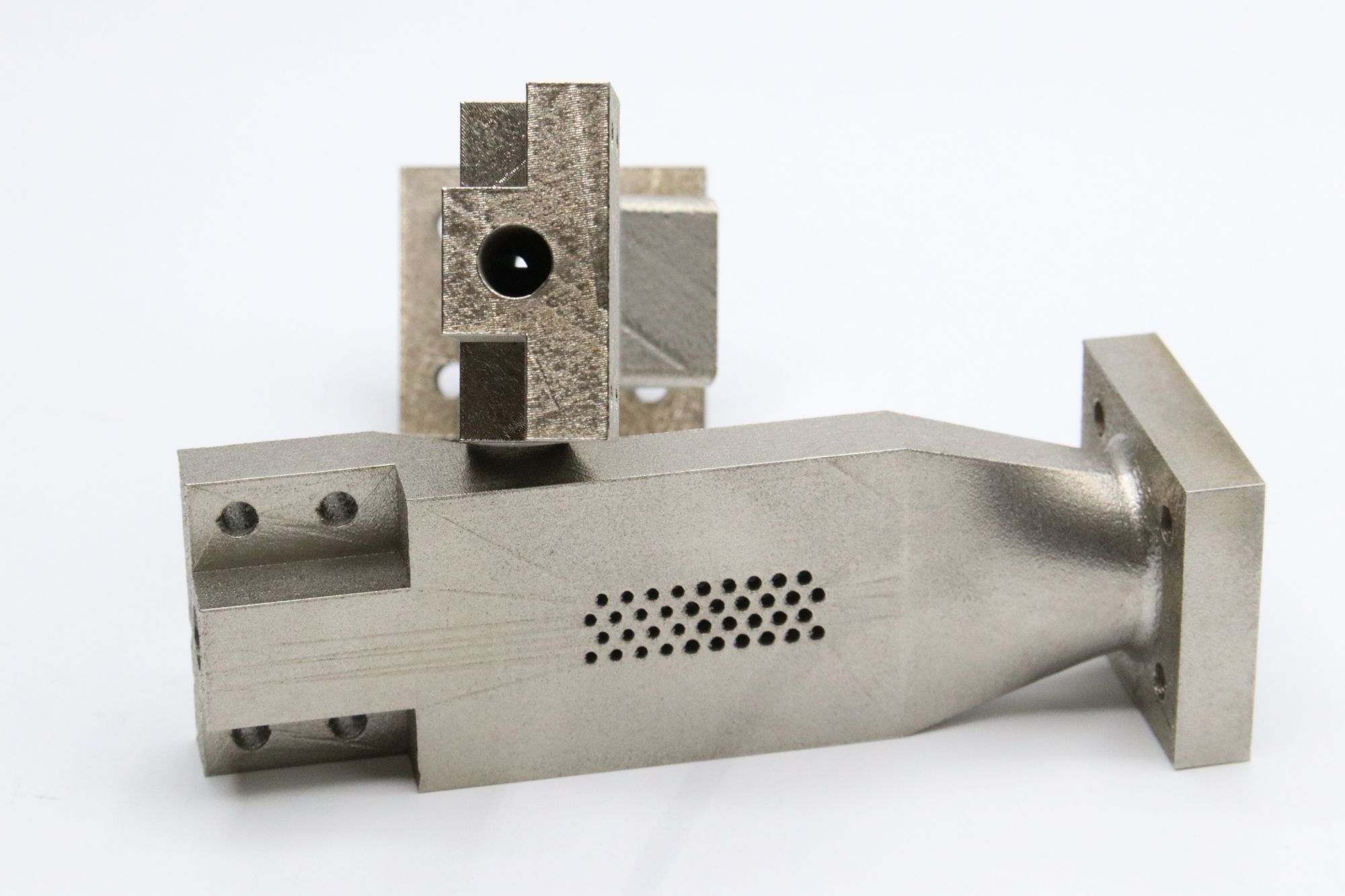
One of the most documented advantages of additive manufacturing in tooling is the integration of conformal cooling channels. In traditional molds, cooling channels are drilled linearly, often at a distance from the cavity surface. This limits heat extraction efficiency and results in a non-uniform temperature distribution.
With metal additive manufacturing, cooling channels can follow the geometry of the mold cavity, maintaining a consistent distance from critical surfaces. This design strategy improves heat transfer, reduces hot spots, and can significantly decrease cycle times in injection molding and die casting.
For high-volume production environments, even small reductions in cycle time generate substantial economic impact. Improved thermal control also enhances dimensional stability and reduces residual stress in molded components.
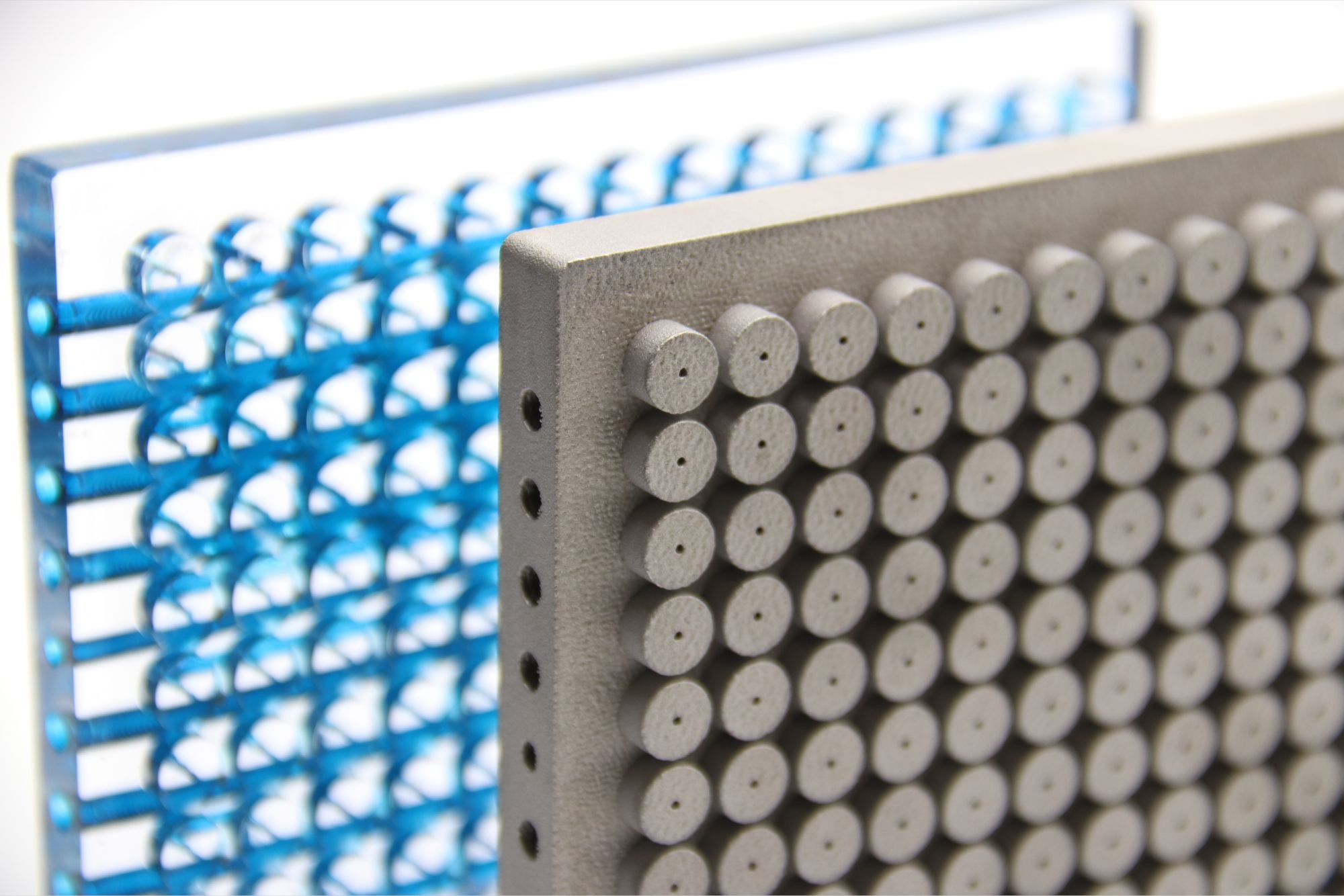
AltForm Powder Bed Fusion systems enable the precise fabrication of these internal geometries with controlled density and repeatability. Multi-laser configurations support higher productivity when manufacturing larger inserts or multiple tooling components in a single build.
Material performance for demanding tooling environments
Tooling applications often require materials capable of withstanding mechanical stress, abrasion, and thermal cycling. Metal additive manufacturing supports a wide range of alloys relevant to tooling, including maraging steels, H13 tool steel equivalents, stainless steels, and nickel-based alloys.
In hot stamping, die casting, and plastic injection molding, thermal fatigue resistance and hardness stability are essential. With proper parameter optimization and post-processing, additive manufacturing can deliver dense microstructures and mechanical properties suitable for industrial deployment.
AltForm platforms provide the process stability required for qualifying these materials. Our engineering teams support parameter development, scanning strategy optimization, and laser power selection according to alloy behavior and tool geometry.
The ability to configure systems with one, two, or four lasers allows tooling manufacturers to balance throughput with precision requirements. Laser power is selected based on material characteristics and required build rate, ensuring optimal energy input without compromising metallurgical quality.
Repair, modification, and hybrid tooling strategies
Tooling often represents a significant capital investment. When wear or localized damage occurs, complete replacement may not be economically justified. This is where Direct Energy Deposition with ZENIT becomes strategically relevant.
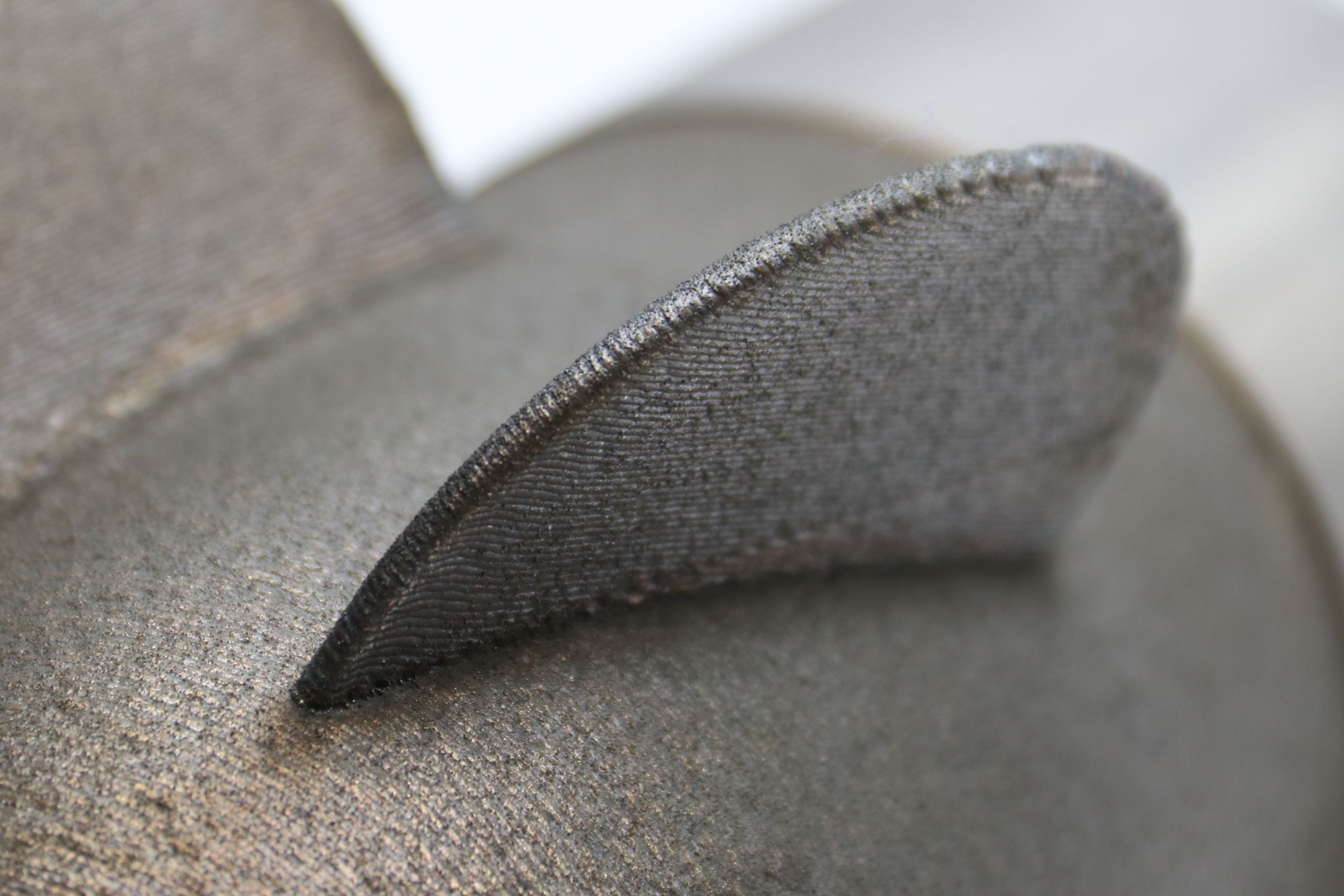
DED technology enables the addition of material onto existing tool surfaces for repair, reinforcement, or design modification. Hardened surfaces can be rebuilt, and localized features can be updated without manufacturing an entirely new mold.
For large tooling components, ZENIT provides the flexibility to deposit material using powder or wire feedstock, depending on application needs. This approach extends the tool lifecycle and supports sustainable manufacturing strategies by reducing material waste.
Additive manufacturing, therefore, contributes not only to new tooling design but also to lifecycle management.
From prototype tooling to serial production
Additive manufacturing in tooling is often introduced through rapid prototype inserts. However, its industrial relevance extends far beyond prototyping.
When integrated into production workflows, metal AM enables:
- Improved thermal management
- Reduced assembly through part consolidation
- Faster iteration of design changes
- More agile response to customer requirements
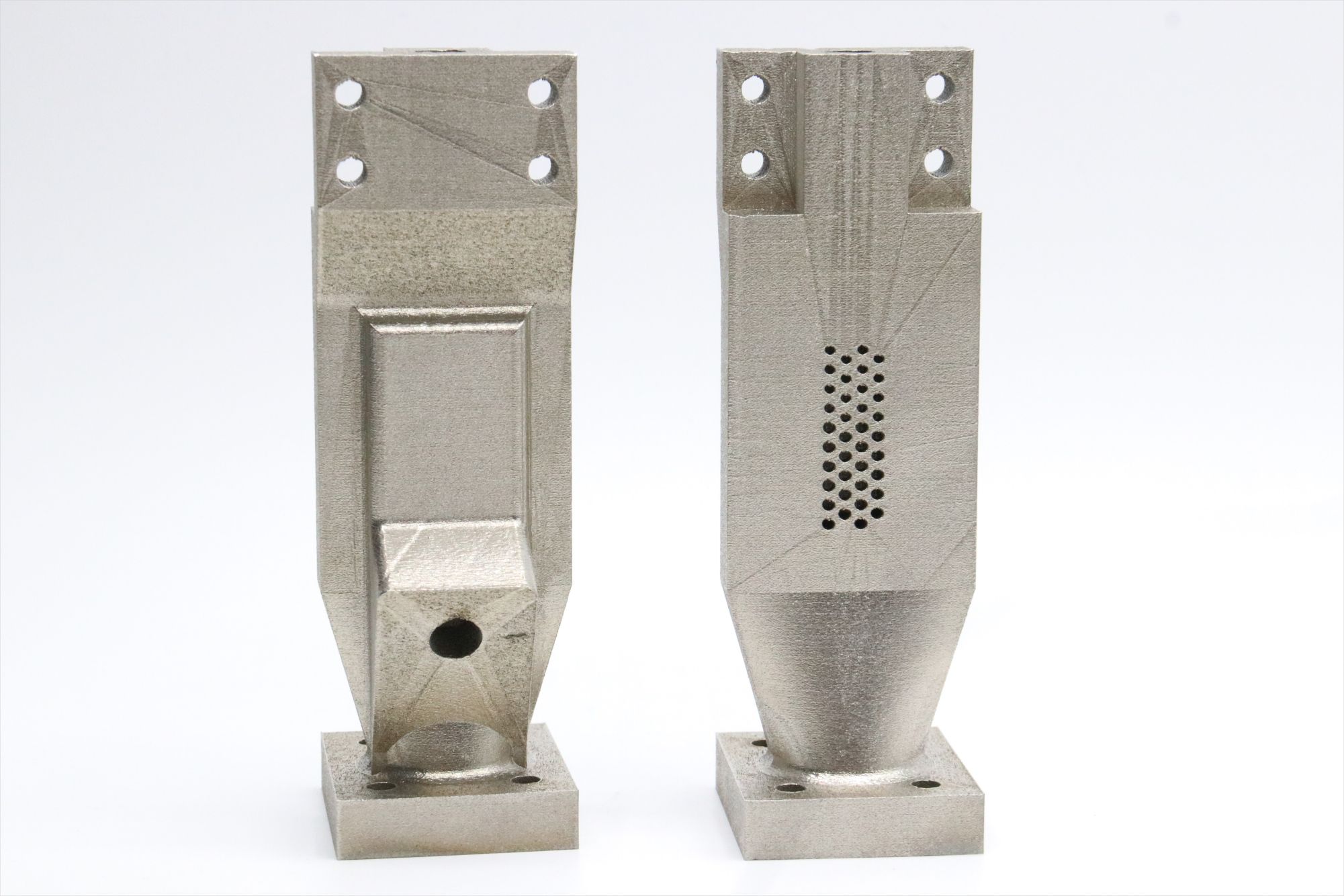
AltForm approaches tooling from an industrial perspective. We analyze part geometry, material requirements, and annual volume targets before recommending the appropriate system configuration. Our background in advanced laser processing allows us to optimize exposure strategies and ensure consistent build quality across the entire platform.
Tooling performance depends on dimensional accuracy, surface finish, and internal integrity. These variables are directly influenced by laser control, thermal management, and scanning strategy. Our expertise lies in integrating these factors into a stable production solution.
A long-term industrial partnership
Implementing additive manufacturing for tooling requires more than machine installation. It involves design analysis, feasibility studies, parameter qualification, and operator training.
AltForm supports customers throughout this process. From evaluating conformal cooling strategies to optimizing laser configuration, we align additive technology with real production objectives.
Our goal is to enable tooling manufacturers and OEMs to transition from experimental trials to reliable, scalable production.