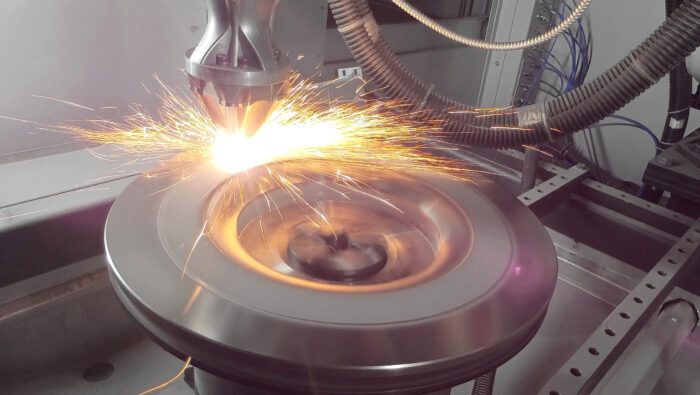
Direct Energy Deposition is one of the most scalable metal additive manufacturing technologies available today. It enables the production of large structural components, near-net-shape geometries, and hybrid manufacturing workflows within a single platform.
As industries such as aerospace, defense, and advanced energy increasingly adopt titanium and aluminum alloys for high-performance applications, the ability to process reactive metals safely and consistently has become a strategic manufacturing capability.
Reactive materials offer exceptional strength-to-weight ratios and corrosion resistance. At the same time, they are highly sensitive to oxygen and atmospheric contamination at elevated temperatures. During laser deposition, even limited exposure to ambient air can lead to oxidation, altered microstructures, and reduced mechanical performance. For titanium in particular, oxygen pickup directly affects ductility and fatigue resistance.
Industrial Direct Energy Deposition of reactive alloys, therefore, requires engineered atmospheric control.
A patented inert chamber architecture for industrial DED
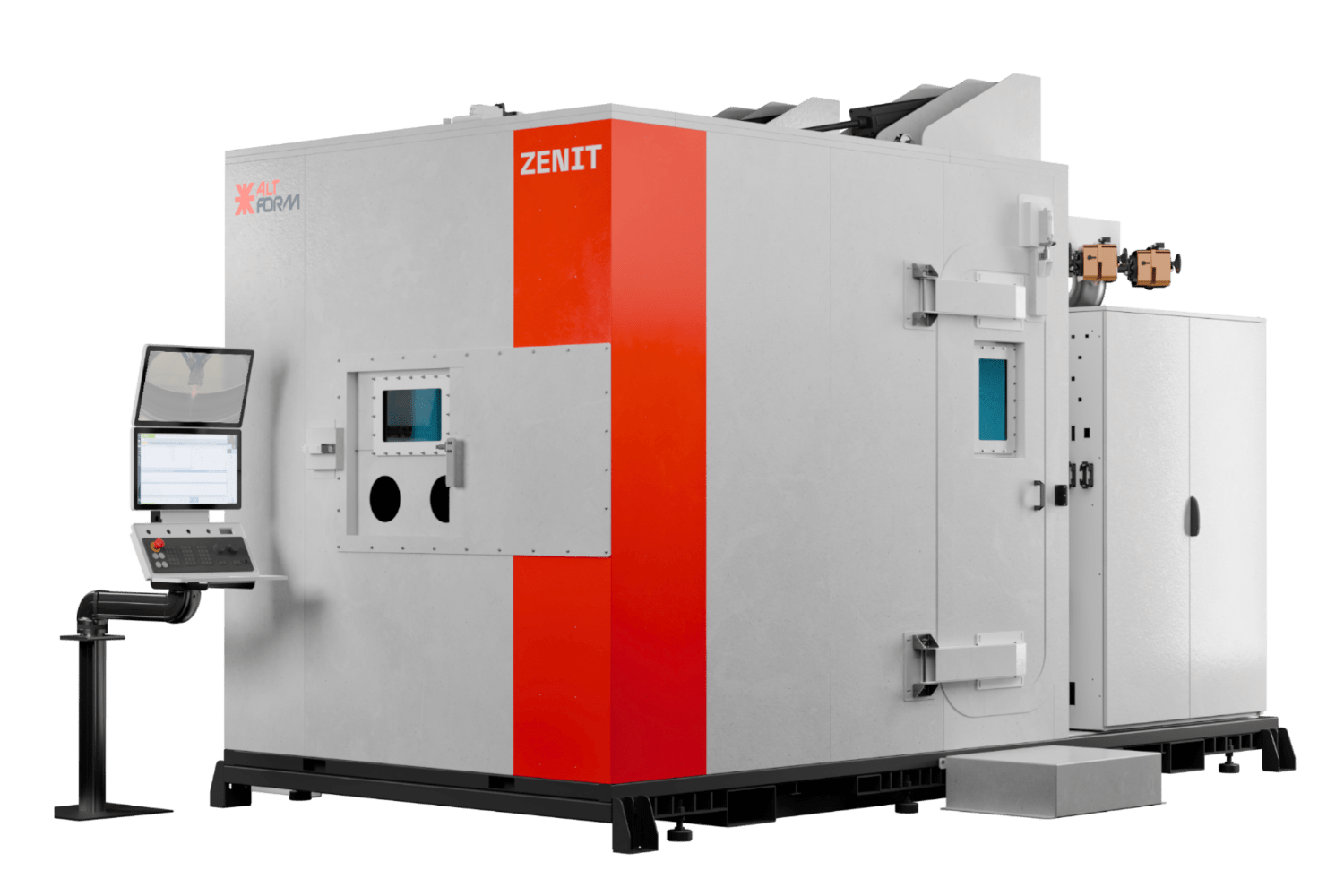
AltForm addresses this challenge through ZENIT, its modular robotic Direct Energy Deposition platform available with integrated inert chamber configuration.
ZENIT can be equipped with a fully sealed chamber designed to create a controlled atmosphere with significantly reduced oxygen concentration. The system incorporates an exclusive patented gas management architecture that introduces inert gas from the bottom of the working chamber. This upward gas flow enables rapid and uniform displacement of ambient air, significantly reducing inertization time compared to conventional chamber designs.
The reduced inertization time has a direct impact on industrial usability. Because the chamber can reach stable atmospheric conditions quickly, there is no need for a separate pre-chamber. This eliminates additional structural modules, reduces overall system footprint and preserves valuable factory floor space. For manufacturers operating in space-constrained production environments, this compact configuration becomes a tangible operational advantage.
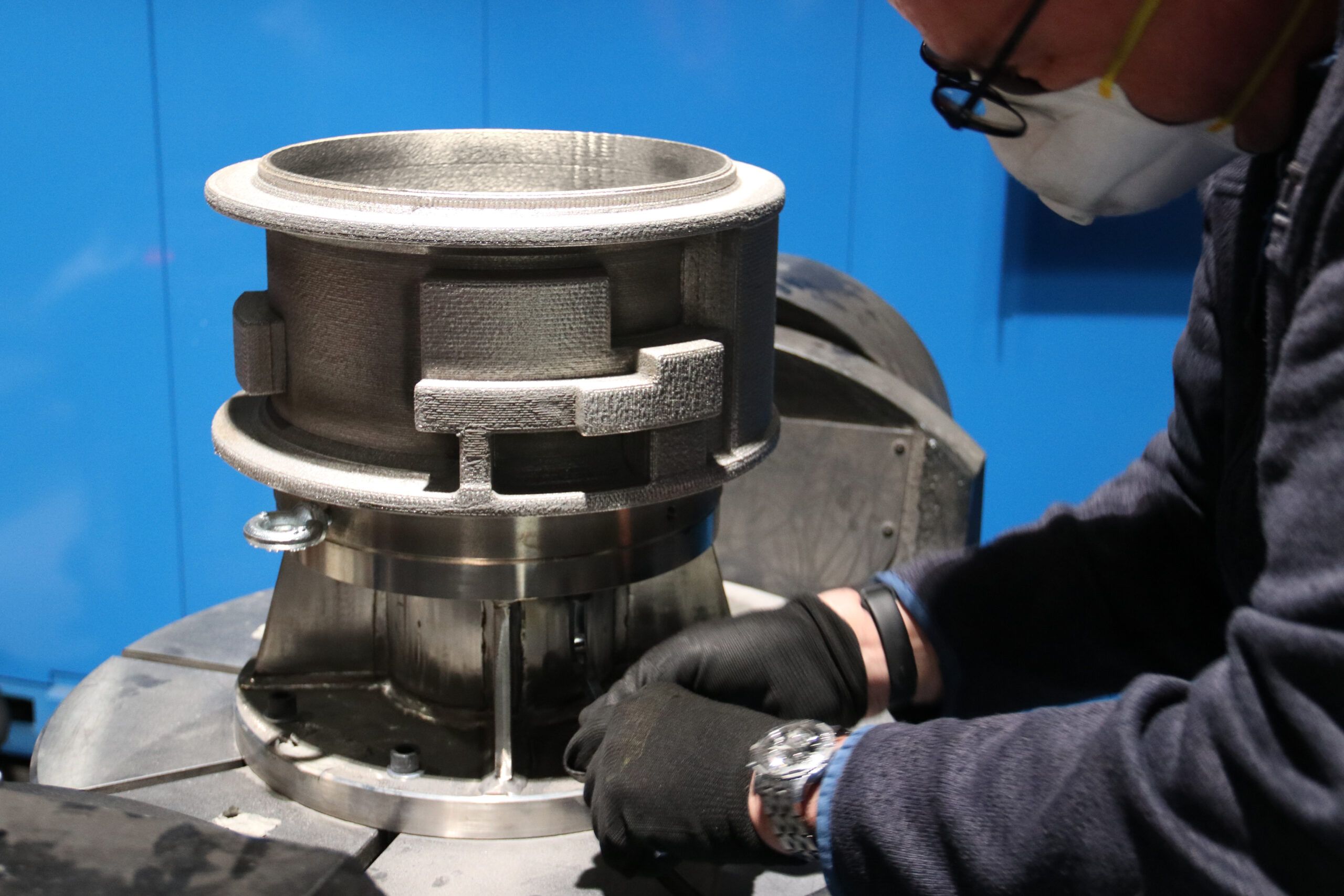
The inert chamber configuration is primarily adopted for the production of large components built from scratch in reactive materials such as titanium and aluminum alloys. In these applications, full-volume atmospheric control ensures consistent metallurgical behavior throughout the entire build process, particularly for large structural geometries where stability over extended build times is essential.
DED for titanium: controlled deposition at large scale
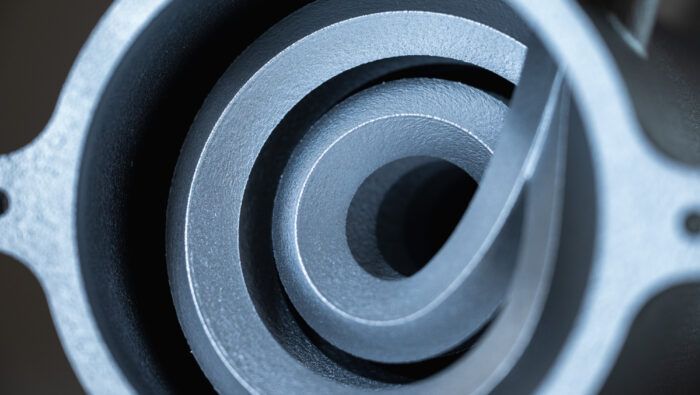
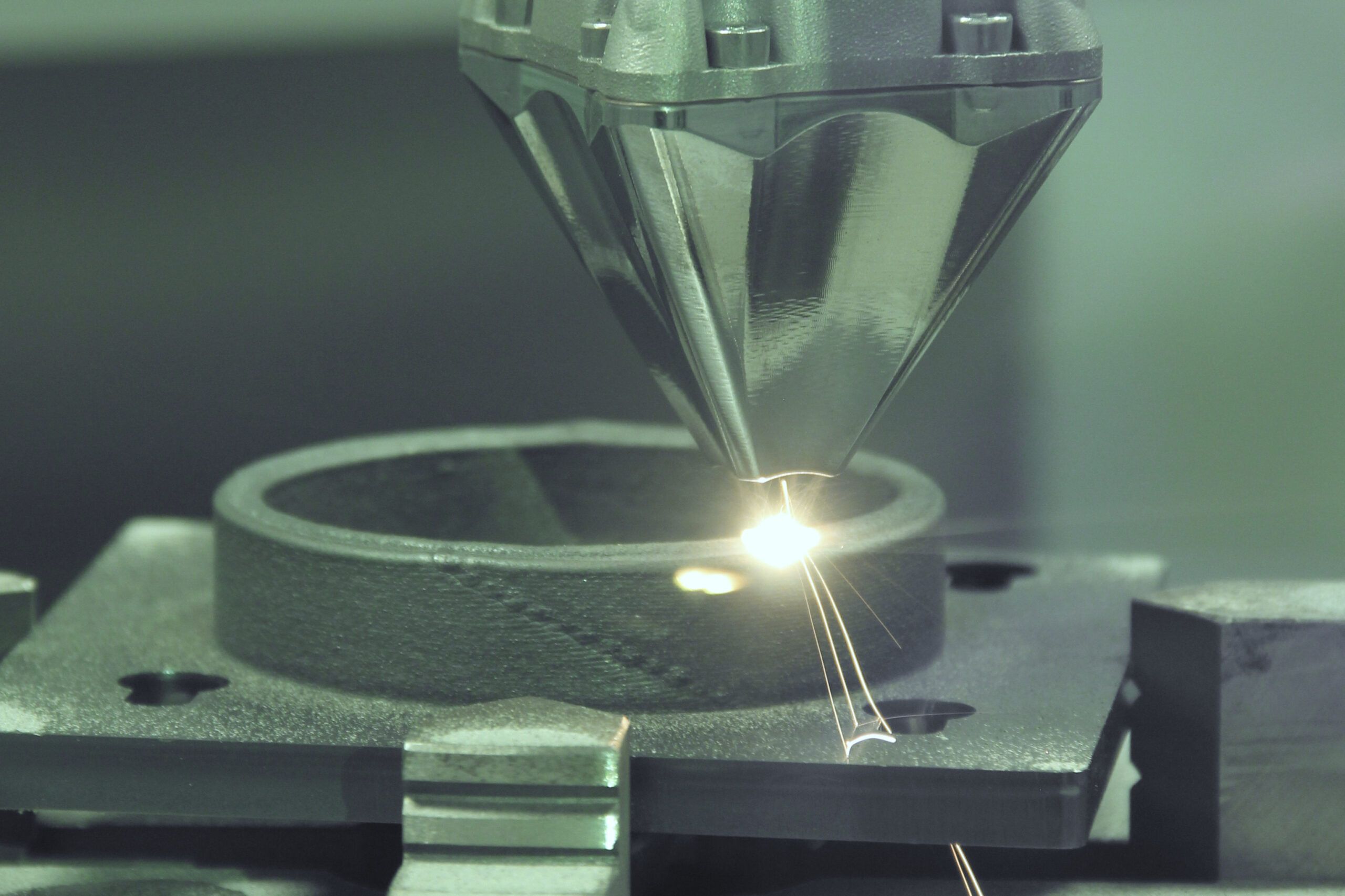
Titanium alloys such as Ti-6Al-4V are widely used in aerospace and defense due to their mechanical strength and resistance to corrosion. Direct Energy Deposition enables the production of large titanium components, structural reinforcements and near-net-shape builds that would be difficult or inefficient to achieve with subtractive processes.
Processing titanium inside an inert chamber with controlled oxygen levels supports stable microstructure formation and repeatable mechanical properties. This is particularly critical for large structural components subject to demanding operational conditions.
ZENIT’s robotic multi-axis architecture further enhances flexibility, enabling complex geometries and large build envelopes while maintaining atmospheric control across the entire working volume.
Aluminum alloys and lightweight manufacturing strategies
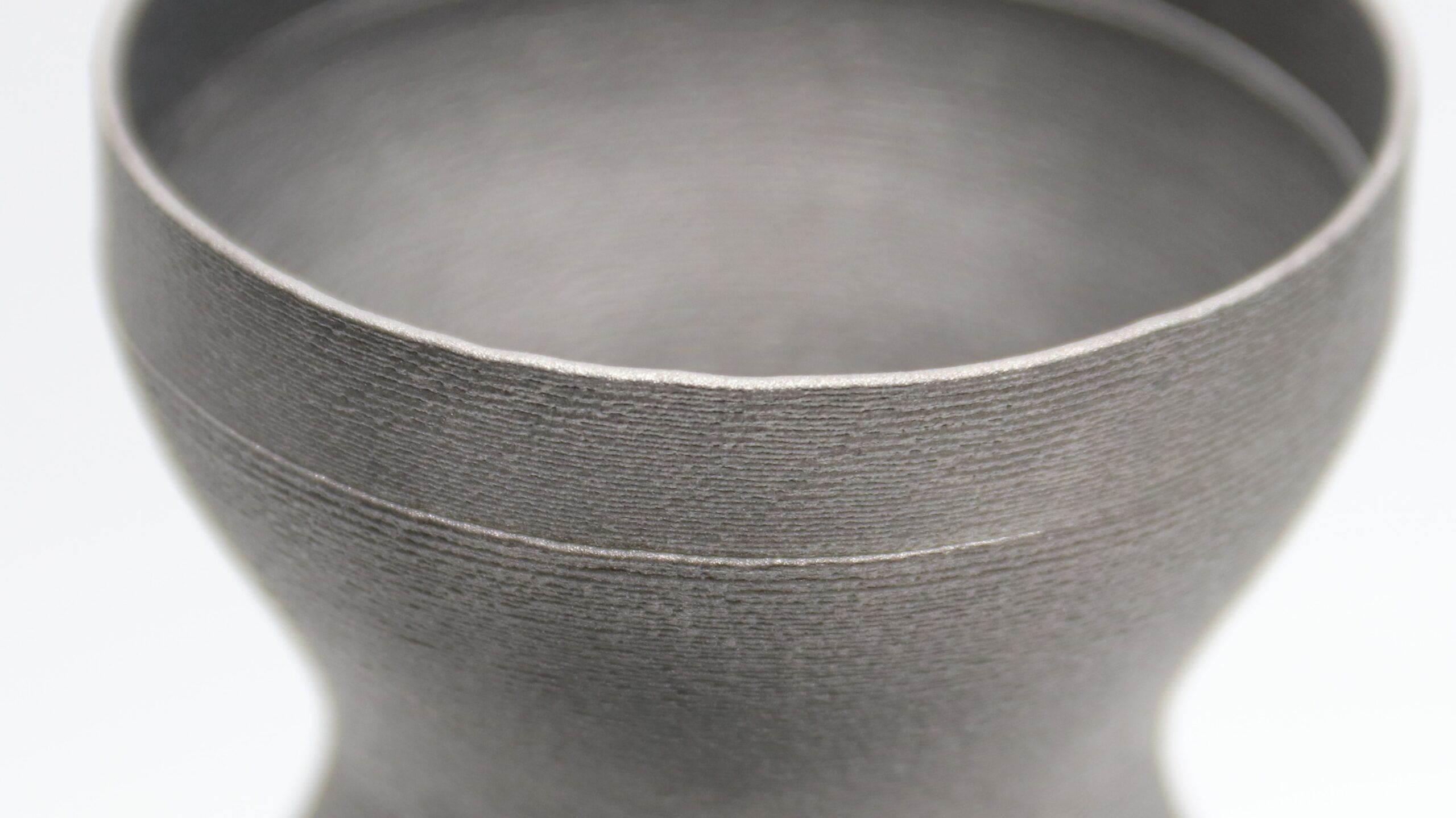
Aluminum alloys such as AlSi10Mg are increasingly used in lightweight engineering applications, including aerospace structures and advanced mobility systems. Direct Energy Deposition allows manufacturers to build large aluminum components or structural features directly onto substrates, supporting hybrid manufacturing strategies.
Because aluminum forms oxide layers rapidly at high temperatures, stable atmospheric control is essential to ensure bonding quality and metallurgical consistency. The inert chamber configuration of ZENIT provides the controlled environment required for reliable aluminum deposition at industrial scale.
Modular DED architecture: powder, wire or combined processes
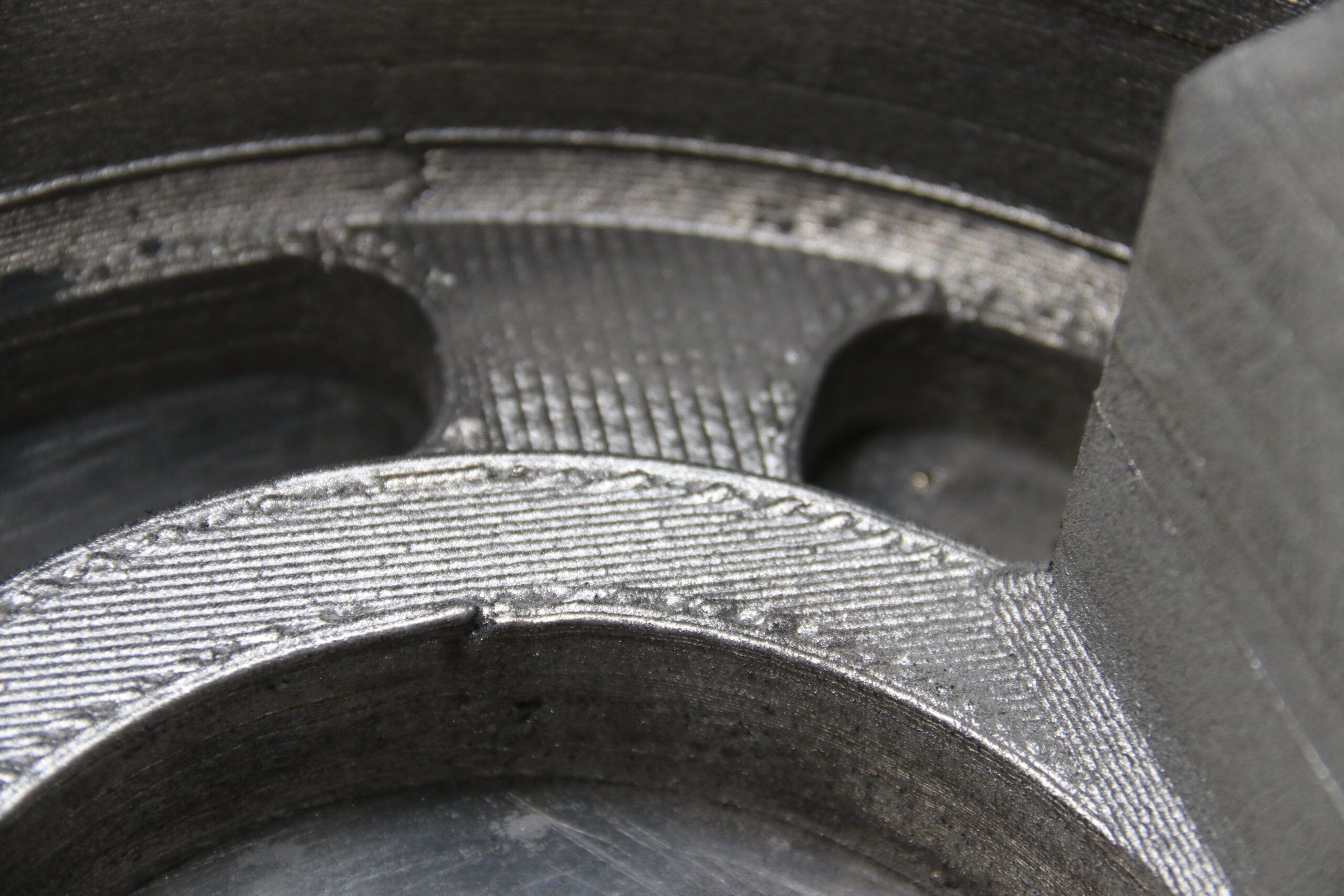
Beyond atmospheric control, ZENIT is engineered as a modular Direct Energy Deposition platform capable of supporting different material feed strategies.
The system can be configured for powder DED or wire DED, depending on application requirements. Powder-based deposition offers flexibility in alloy selection and material blending, while wire DED provides high material efficiency and clean feedstock handling.
For manufacturers requiring maximum flexibility, ZENIT can integrate both processes within the same platform. The system allows automatic switching between powder and wire deposition by changing the deposition head through a tool-change logic similar to that of a traditional CNC machine tool. This enables hybrid workflows within the same production cell, combining structural build strategies with material-efficient deposition approaches.
Such modularity supports both development and industrial deployment, allowing manufacturers to adapt process configurations without replacing the core system architecture.
From validation to industrial deployment
Processing reactive materials through Direct Energy Deposition is not simply a technical challenge. It is an industrialization challenge.
ZENIT integrates robotic motion control, inert chamber architecture, modular deposition configurations and automation-ready interfaces within a platform designed for production environments. The focus is on repeatability, uptime and scalability rather than experimental capability.
By combining controlled-atmosphere deposition with flexible DED configurations, AltForm enables manufacturers to transition from material validation to stable industrial production of large titanium and aluminum components.